
Why stable checkout plugins matter now
A stable checkout plugin is the difference between a completed sale and an abandoned cart. In 2026, reliability, speed, and compatibility are the defining traits of high-performing e-commerce stores. Generic plugins often fail under real-world conditions, causing friction that drives customers away.
Stable plugins ensure fast load times by minimizing script bloat and avoiding unnecessary database queries. This speed is critical, as even a one-second delay can significantly increase bounce rates. A reliable checkout process reduces the likelihood of errors during payment processing, ensuring that transactions complete smoothly without unexpected interruptions.
Compatibility with current WordPress and WooCommerce versions is equally important. Updates to the core platform can break older plugins, leading to downtime or security vulnerabilities. Choosing a well-maintained plugin ensures that your checkout experience remains consistent and secure, regardless of platform updates. This stability builds trust with customers, encouraging repeat business and higher conversion rates.
As an Amazon Associate, we may earn from qualifying purchases.
Best stable checkout plugins for WooCommerce
WooCommerce stores live or die by the checkout page. If that final step breaks, the sale disappears. For 2026, stability isn't just a nice-to-have; it's the baseline requirement. You need plugins that play nicely with your existing theme, handle complex tax rules, and don't slow down the load time when a customer is ready to pay.
We focused on three plugins that have proven track records for reliability and conversion optimization. These tools don't just look pretty; they fix the common friction points that cause cart abandonment in WordPress environments.
Checkout Field Editor (Checkout Page Manager)
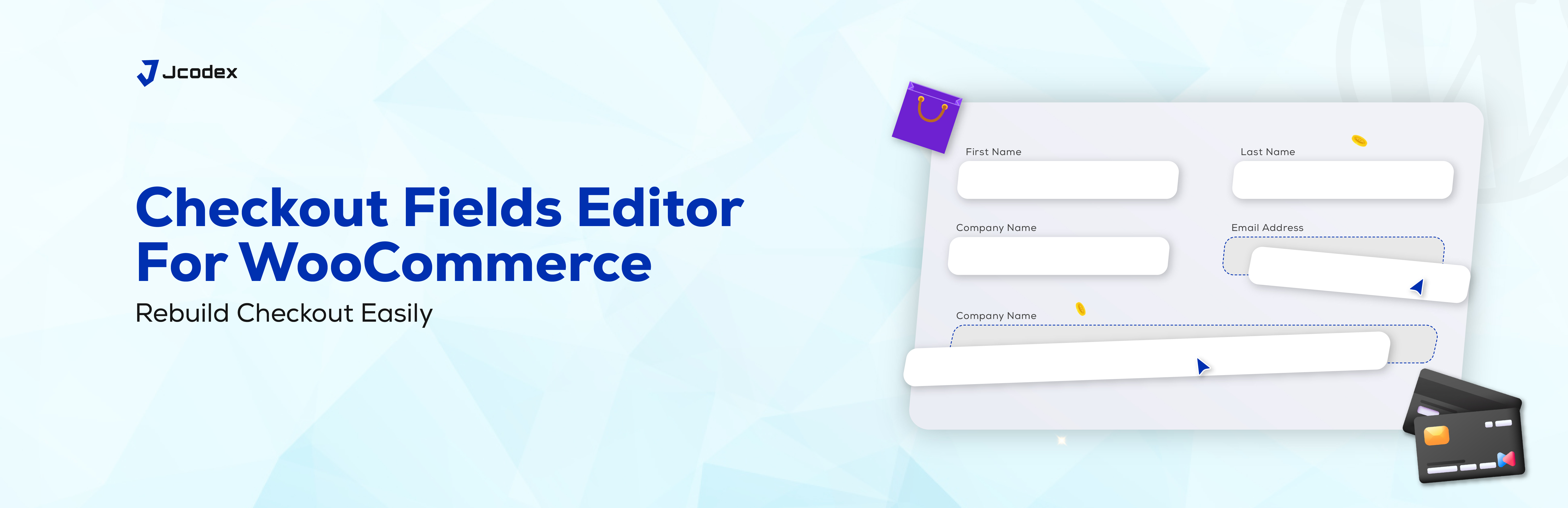
If your store requires specific data collection—like delivery instructions, gift messages, or custom tax IDs—this plugin is the standard for field management. It allows you to add, remove, and rearrange checkout fields without touching code. This level of control is essential for stores with unique logistical requirements that the default WooCommerce setup can't handle.
The interface is straightforward, making it easy to toggle fields on or off based on product categories or shipping methods. It’s particularly useful for B2B stores or retailers selling custom goods where the standard name, email, and address fields aren't enough. Its stability across WooCommerce updates has been consistent, making it a safe bet for long-term use.
CheckoutWC
CheckoutWC is built for merchants who need a robust, standalone checkout experience that doesn't conflict with theme styles. It works where other checkouts break, ensuring compatibility with the plugins and themes serious stores rely on. This plugin is ideal for high-traffic stores that need a checkout process that feels native to their brand but operates with the reliability of a dedicated system.
It offers deep customization options for the checkout layout, including one-click upsells and order bumps, which can significantly boost average order value. The plugin is designed to be lightweight, minimizing the impact on your site's performance while still providing a rich, interactive checkout experience. Its focus on compatibility makes it a strong choice for complex store setups.
Frictionless Multistep Checkout
Breaking a long checkout form into smaller, manageable steps can reduce cognitive load and increase conversion rates. This plugin transforms the standard single-page checkout into a guided, multistep process. By simplifying the visual complexity of the form, it helps customers feel more confident as they progress toward completion.
Testing has shown that this approach can lead to significant improvements in conversion rates by reducing the intimidation factor of a large form. It’s particularly effective for stores with extensive shipping or billing information requirements. The plugin is designed to be seamless, integrating smoothly with WooCommerce without requiring extensive configuration.
| Feature | Checkout Field Editor | CheckoutWC | Multistep Checkout |
|---|---|---|---|
| Field Customization | Advanced | Moderate | Basic |
| Multistep Layout | No | No | Yes |
| Upsells & Bumps | No | Yes | Limited |
| Compatibility Focus | High | Very High | High |
Best stable checkout plugins for Shopify
Shopify merchants have moved past the days of relying on a single, rigid checkout flow. The platform’s API and app ecosystem now allow for significant customization without sacrificing the security and speed that drive conversions. When selecting a stable checkout plugin, the priority is seamless integration with your existing theme and reliable performance under traffic spikes.
FunnelKit (formerly WooFunnels) for Shopify
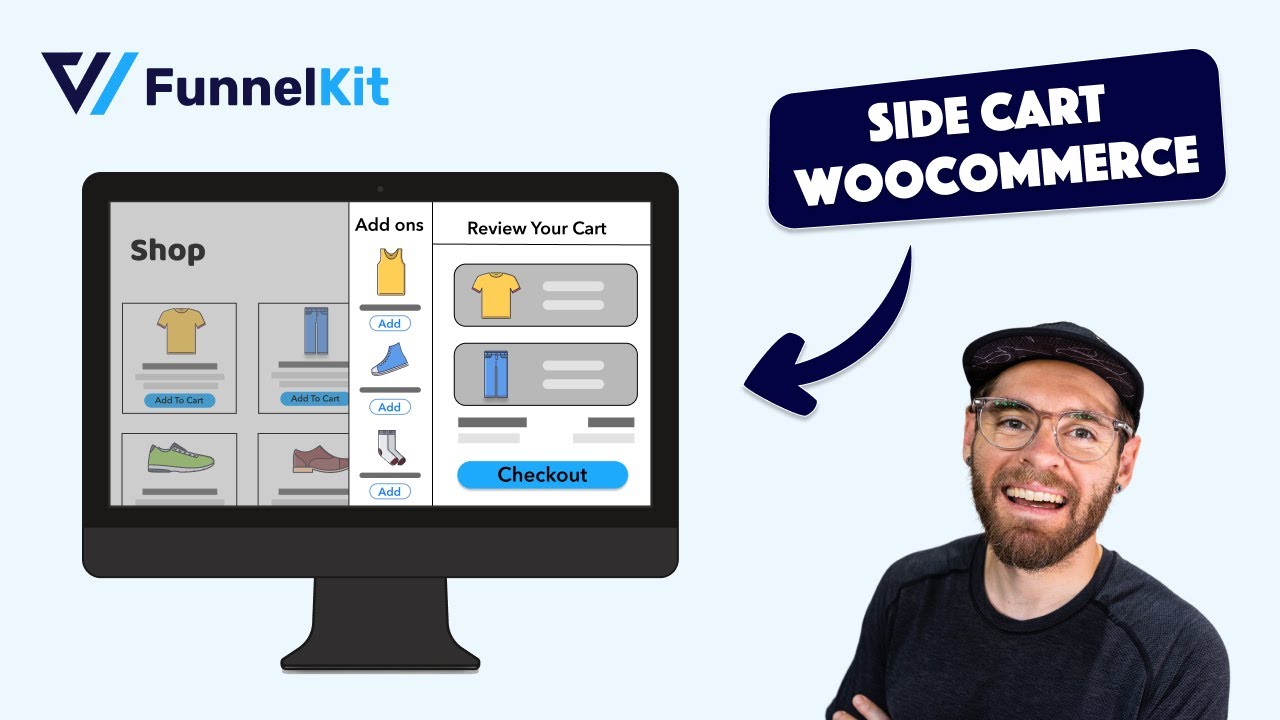
While originally built for WooCommerce, FunnelKit has expanded its capabilities to support Shopify environments, offering a robust suite of upsell and checkout optimization tools. It excels in creating custom checkout experiences that feel native to your brand, allowing for one-click upsells and order bumps directly on the checkout page. Its stability is derived from a mature codebase that handles complex cart logic without slowing down page loads.
ReConvert Post Purchase Upsells
ReConvert is a staple for Shopify stores looking to increase average order value (AOV) without disrupting the initial checkout flow. It allows you to customize the post-purchase page with targeted offers, cross-sells, and thank-you messages. Its stability is notable because it operates independently of the main checkout process, ensuring that even if an upsell offer fails to load, the primary transaction completes smoothly. This separation of concerns is critical for maintaining high conversion rates during peak sales periods.
CartHook by ReConvert
CartHook focuses on optimizing the pre-checkout and checkout experience itself, offering drag-and-drop customization for the Shopify checkout. It enables merchants to add trust badges, progress bars, and urgent messaging directly to the checkout interface. The plugin is designed for stability, ensuring that any visual additions do not interfere with Shopify’s secure payment gateways or mobile responsiveness. It is particularly useful for brands that want to test different checkout layouts to see what resonates best with their audience.


As an Amazon Associate, we may earn from qualifying purchases.
How to choose the right stable checkout plugin
Picking a checkout plugin isn't just about adding fields; it's about keeping your store running when traffic spikes. A stable checkout keeps the lights on and the money flowing. When you evaluate options, look at your platform, your technical comfort, and what you actually need to fix.
Your e-commerce engine dictates what’s possible. If you run Shopify, you’re looking at the App Store ecosystem. WooCommerce users have a vast library of extensions. BigCommerce and Magento users have their own specific directories. Don’t try to force a plugin to work outside its native environment; the stability will suffer.
Some plugins are plug-and-play, while others require CSS tweaks or API knowledge. If you’re a non-technical merchant, stick to plugins with clear dashboards and one-click setups. Developers might prefer lightweight code that allows deep customization, but only if you’re prepared to maintain it.
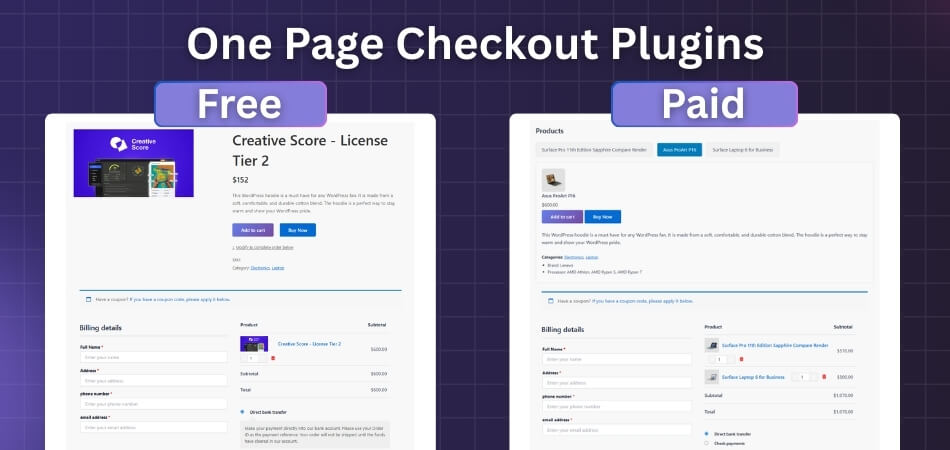
Are you trying to reduce cart abandonment or upsell after purchase? A simple one-page checkout might be all you need to speed things up. If you want to increase average order value, look for plugins that integrate seamlessly with upsell and cross-sell tools. Don’t over-engineer the solution for a problem you don’t have.
A plugin that hasn’t been updated in six months is a liability. Check the last update date and the number of active installs. More importantly, look at the support forums. Are the developers responsive? When a payment gateway changes its API, you need a team that fixes it fast.
Use a checklist to verify compatibility before installing. Ensure the plugin works with your current theme, payment gateways, and any existing marketing tools. A stable checkout is one that disappears into the background, letting your customers pay without friction.
Frequently asked questions about checkout plugins
Choosing a stable checkout plugin requires balancing speed, compatibility, and ease of use. Here are the most common concerns we hear from store owners.
Do checkout plugins slow down my site?
A well-coded plugin like CheckoutWC is built to be lightweight and fully compatible with the themes and plugins serious stores rely on. The danger lies in using multiple, overlapping plugins that conflict with each other. We recommend sticking to a single, robust solution to keep page load times low and conversions high.
Are these plugins compatible with WooCommerce blocks?
Many legacy checkouts break when WooCommerce shifts to the Block Editor. When selecting a plugin, verify that it supports both Classic and Block checkout compatibility. Testing on a staging site is essential to ensure your specific theme doesn’t cause layout issues.
How difficult is the setup process?
Most top-rated plugins offer a straightforward setup wizard. However, complex field customization or geo-location features (like those in Kikote) may require a bit more configuration. Always test the checkout flow on mobile devices before going live to catch any display glitches.
No comments yet. Be the first to share your thoughts!