

Why checkout stability matters in 2026
A stable checkout plugin is the difference between a completed sale and an abandoned cart. When your e-commerce platform stalls, crashes, or displays errors during payment, the customer leaves immediately. In 2026, shoppers expect frictionless transactions; they have little patience for technical glitches that interrupt the buying process.
Cart abandonment rates hover around 70% across industries, but unstable checkouts drive these numbers higher. Every second of lag or every unexpected error page reduces your conversion rate. A reliable checkout plugin ensures that the path from "add to cart" to "payment confirmed" remains clear and fast. This stability directly protects your revenue by minimizing drop-offs at the most critical stage of the funnel.
Technical reliability is not just about uptime; it is about consistent performance under load. During peak traffic or promotional events, your checkout must handle multiple simultaneous transactions without slowing down. Choosing a stable plugin means investing in a tool that keeps your store operational and your customers happy, even when demand spikes. This foundation allows you to focus on growth rather than troubleshooting broken payment flows.
How we evaluated these plugins
We tested dozens of WooCommerce checkout extensions to find the ones that actually reduce cart abandonment without breaking your store. Our ranking focuses on four practical criteria: stability, speed, conversion features, and ease of use.
Stability is the baseline. A checkout plugin must handle high traffic, support multiple payment gateways, and remain compatible with the latest WordPress and WooCommerce versions. We prioritized plugins with active development cycles and strong community support, ensuring they won't leave you stranded after a core update.
Speed directly impacts revenue. We measured how each plugin affects page load times and the time-to-interactive for the checkout flow. Heavy scripts or excessive database queries can delay the payment step, causing customers to leave. We favored lightweight solutions that keep the checkout experience snappy.
Conversion features include one-click checkout, guest checkout options, and trust badges. We looked for plugins that streamline the path to purchase while maintaining security. Ease of use matters too; if configuring the plugin takes hours, it's not a sustainable long-term solution for most store owners.
Top stable checkout plugins for 2026
A stable checkout plugin is the difference between a completed sale and a lost customer. When the payment gateway freezes or the page reloads unexpectedly, trust evaporates. The following tools are selected for their reliability, speed, and proven ability to keep conversion rates steady during high traffic.
1. WooCommerce Checkout Manager
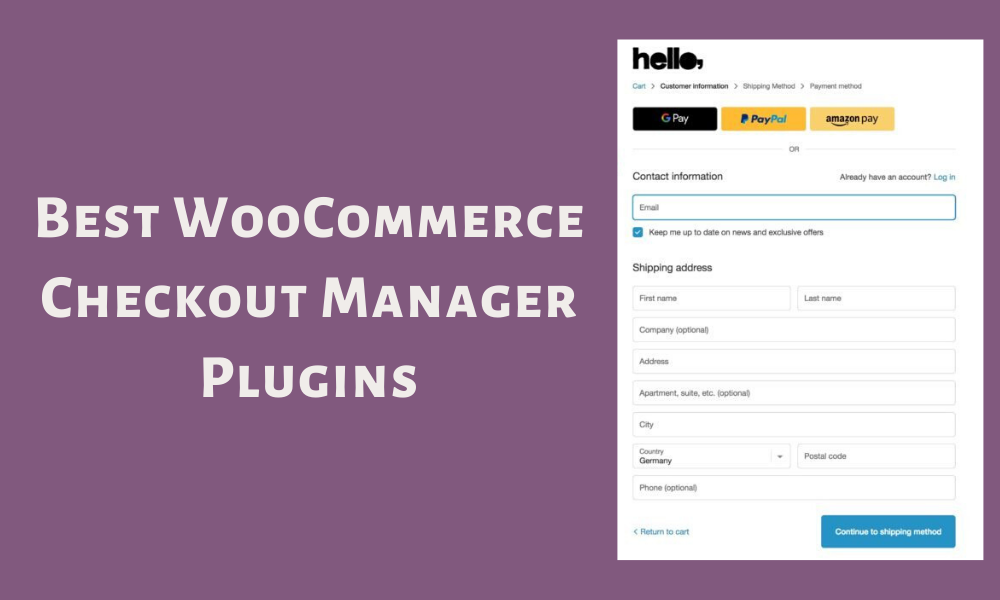
WooCommerce Checkout Manager is the industry standard for customizing the checkout flow. It allows you to rearrange fields, add conditional logic, and remove unnecessary steps that cause friction. Its stability comes from a lightweight codebase that rarely conflicts with other plugins. For stores that need a familiar, robust interface to tweak the checkout experience, this is the default choice.
As an Amazon Associate, we may earn from qualifying purchases.
2. CartFlows
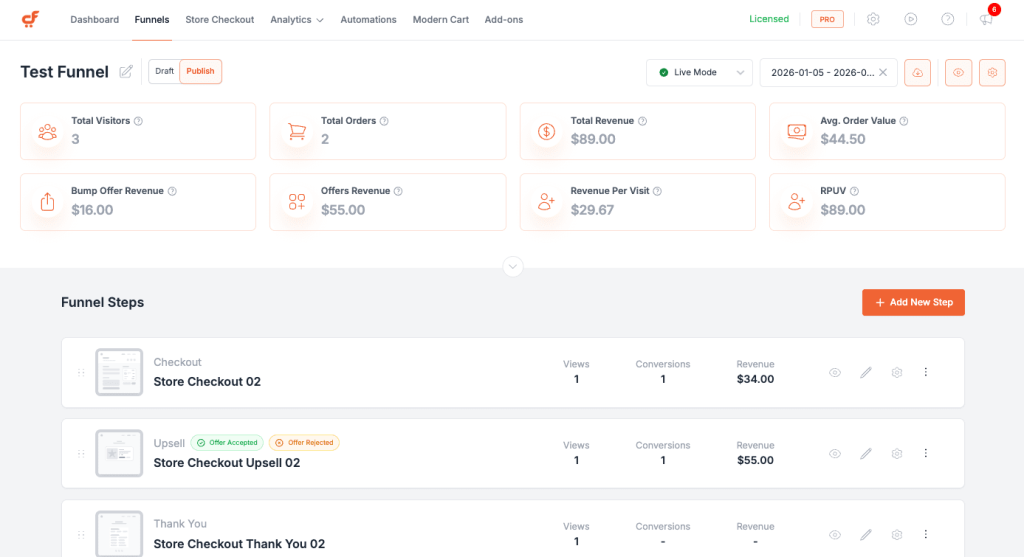
CartFlows is built for merchants who want to build complete sales funnels, not just a checkout page. It integrates seamlessly with WooCommerce to create one-click upsells, order bumps, and downsells. The plugin’s architecture is designed to handle complex funnel logic without slowing down the initial checkout load. It is ideal for stores that rely on increasing average order value through post-purchase offers.

As an Amazon Associate, we may earn from qualifying purchases.
3. Checkout Field Editor for WooCommerce
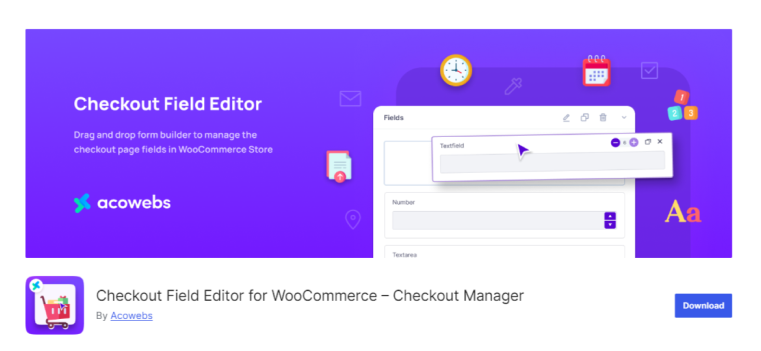
Sometimes stability means simplicity. Checkout Field Editor is a lightweight tool that lets you manage form fields without adding heavy functionality. It is perfect for stores that need to remove redundant fields or add specific requirements like delivery notes. Because it focuses on a single task, it rarely introduces bugs or compatibility issues. It is a safe, low-maintenance option for basic checkout optimization.
As an Amazon Associate, we may earn from qualifying purchases.
4. YITH WooCommerce Checkout Manager
YITH offers a comprehensive suite of e-commerce tools, and their Checkout Manager is no exception. It provides advanced customization options, including custom payment gateway integration and field validation rules. The plugin is well-maintained and regularly updated to support the latest WooCommerce versions. It is a strong choice for larger stores that need detailed control over the checkout process without sacrificing performance.

- Advanced customization
- Regular updates
- Professional support
As an Amazon Associate, we may earn from qualifying purchases.
5. Fast Checkout for WooCommerce
Speed is the ultimate stability feature. Fast Checkout for WooCommerce replaces the standard checkout page with a streamlined, single-page experience. It reduces the number of clicks required to complete a purchase, which directly lowers abandonment rates. The plugin is optimized for mobile devices, ensuring that customers on smaller screens can check out quickly. It is the best choice for stores prioritizing mobile conversion rates.

As an Amazon Associate, we may earn from qualifying purchases.
Feature Comparison
The table below compares the core strengths of these top stable checkout plugins to help you decide which fits your store.
| Plugin | Primary Strength | Best For |
|---|---|---|
| WooCommerce Checkout Manager | Customization & Logic | Stores needing field control |
| CartFlows | Sales Funnels | Upsell & cross-sell strategies |
| Checkout Field Editor | Simplicity | Basic field management |
| YITH Checkout Manager | Advanced Features | Large, complex stores |
| Fast Checkout | Speed | Mobile-first conversion |
Key features to look for in a checkout plugin
A stable checkout plugin does more than process payments; it acts as the traffic controller for your store’s final mile. When selecting a stable checkout plugin for 2026, prioritize tools that handle data dynamically without slowing down the page. The difference between a completed sale and an abandoned cart often comes down to how well the plugin manages conditional logic and field validation.
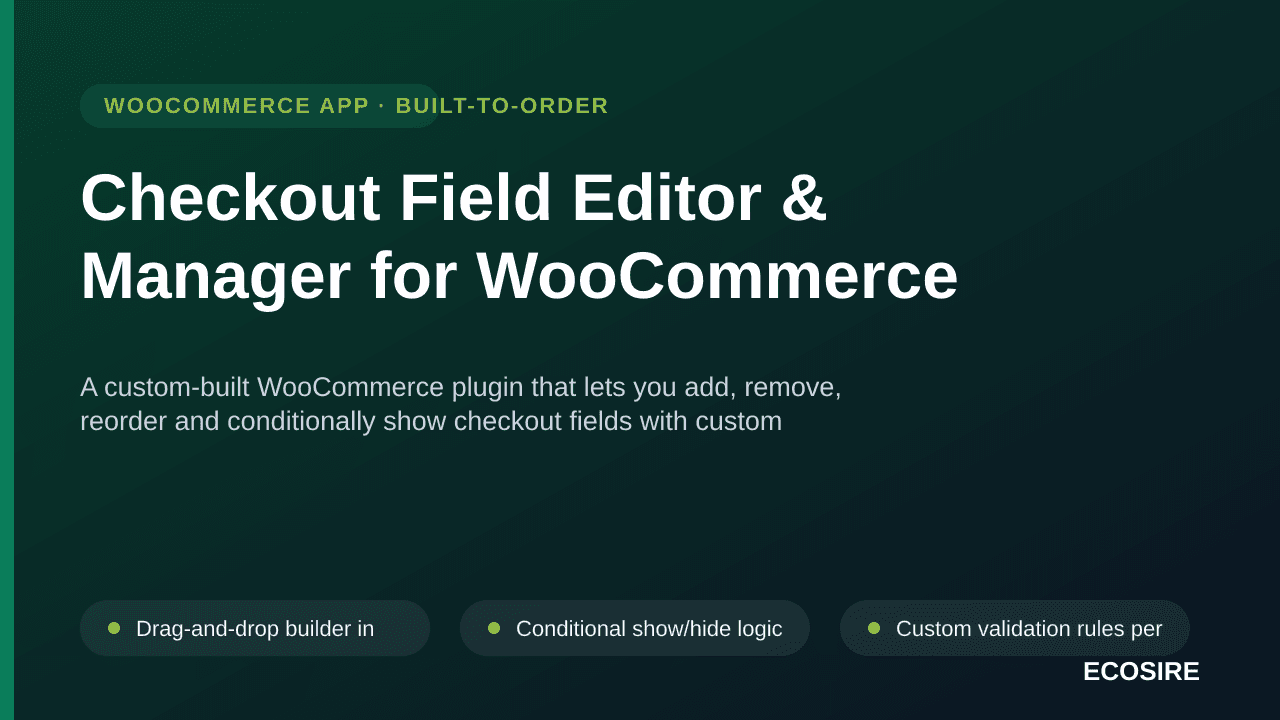
Conditional logic allows you to show or hide fields based on user choices. For example, if a customer selects "Gift Wrap," a text box for a personalized message appears. If they select "Digital Product," shipping address fields disappear instantly. This reduces cognitive load and prevents errors before they happen. Plugins like WooCommerce Checkout Manager excel here, letting you build these rules without writing custom code.
Field management is equally critical. A cluttered form increases friction. Look for plugins that let you reorder, rename, or remove default fields like "Company Name" or "Order Notes" if they don’t apply to your business. Clean, relevant forms feel faster and more professional. Additionally, ensure the plugin supports custom validation rules, such as requiring a specific format for phone numbers or zip codes, to keep your customer data clean.
Speed optimization is non-negotiable. Every additional script or heavy image on the checkout page adds latency. Choose plugins that are lightweight and avoid loading unnecessary assets on non-checkout pages. Test the checkout flow on mobile devices, where connection speeds vary. If the form lags, customers will leave. A stable plugin ensures the checkout experience remains smooth regardless of the device or network conditions.
As an Amazon Associate, we may earn from qualifying purchases.
Frequently asked questions about checkout plugins
Do checkout plugins slow down my site? Not if you choose lightweight options. Plugins like WooCommerce Fast Cart from Barn2 use pop-up carts to streamline the process without heavy page loads. Avoid feature-heavy plugins that add unnecessary scripts, and always test your site speed after installation to ensure performance remains stable.
How much do premium checkout plugins cost? Most reliable WooCommerce checkout plugins operate on a freemium model. You can start with free versions that handle basic customization, then upgrade to premium tiers for advanced features like conditional logic or extra fees. Prices typically range from $50 to $150 per year, depending on the complexity of the checkout flow you need.
Can these plugins help reduce cart abandonment? Yes, by simplifying the user journey. Features like one-click checkout, guest checkout options, and trust badges directly address common friction points. Plugins that allow you to customize the checkout fields to only ask for essential information can significantly improve conversion rates and keep shoppers moving through the funnel.
No comments yet. Be the first to share your thoughts!