
Stable checkout plugins 2026 budget
Choosing a checkout plugin in 2026 means balancing cost against performance. A cheap plugin might save money upfront but slow down your store if it’s not optimized. In 2026, the best stable checkout plugins offer a good mix of speed, reliability, and features without breaking the bank.
When evaluating budget-friendly options, look for plugins that offer essential features like one-click checkout, guest checkout, and mobile optimization. These features are critical for reducing cart abandonment and improving conversion rates. Avoid plugins that are overly complex or require extensive customization, as these can be time-consuming and costly to maintain.
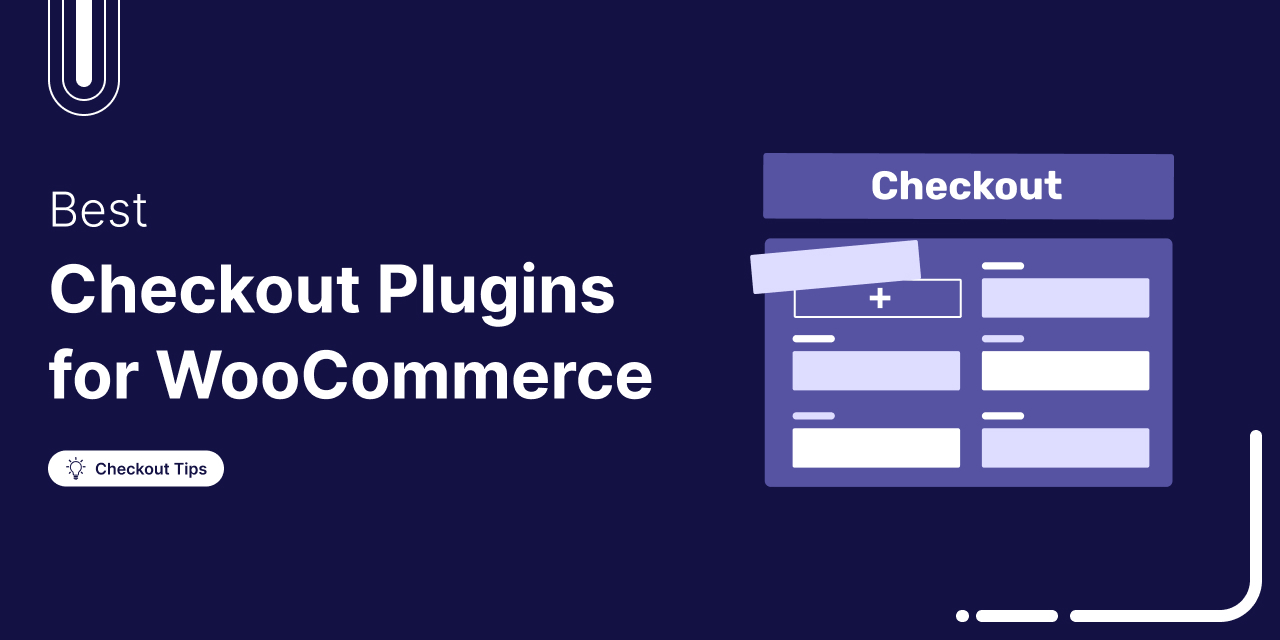
Here are some of the top stable checkout plugins for 2026 that fit a variety of budgets:

As an Amazon Associate, we may earn from qualifying purchases.
Remember, the best plugin for you depends on your specific needs and budget. Take the time to research and compare options before making a decision. A stable checkout plugin can make a significant difference in your store’s performance and customer satisfaction.
Shortlist real options
The checkout plugin market for 2026 has consolidated around three core capabilities: one-page simplicity, speed optimization, and native platform integration. Choosing the right tool depends on whether you prioritize reducing friction or maximizing conversion data. The following options represent the strongest contenders currently available for WooCommerce stores.
Direct Checkout for WooCommerce
This plugin removes the traditional checkout page entirely, allowing customers to buy directly from product pages. It is ideal for stores selling single, standardized products where the decision process is short. By skipping the cart step, it eliminates a major point of abandonment. However, it is less suitable for complex stores with variable products or bundles.
WooCommerce One Page Checkout
As the name suggests, this solution consolidates the entire transaction process onto a single page. It retains the standard checkout fields but removes the page reloads between cart and confirmation. This approach balances familiarity with speed, making it a safe choice for stores that need to handle multiple product types without confusing customers with too much automation.
WooCommerce Fast Cart
Fast Cart focuses on the pre-checkout experience by replacing the standard cart page with a slide-out drawer or pop-up. It allows customers to edit quantities and proceed to checkout without leaving their current view. This is particularly effective for impulse buys and stores with high visual appeal. The trade-off is that it requires careful UI design to ensure the checkout link remains visible and accessible.
Comparison of Top Solutions
The table below breaks down the primary strengths and limitations of each option to help you align the plugin with your store’s specific traffic patterns.
| Plugin | Best For | Trade-off |
|---|---|---|
| Direct Checkout | Single-product stores | Limited flexibility for complex carts |
| One Page Checkout | General merchandise | Slightly longer page load than AJAX |
| Fast Cart | Impulse-driven brands | Requires careful UI integration |
Inspect the expensive parts
Use this section to make the Why is the Year of Zero-Click Checkouts decision easier to compare in real life, not just on paper. Start with the reader's actual constraint, then separate must-have requirements from details that are merely nice to have. A practical choice should survive normal use, maintenance, timing, and budget. If a recommendation only works in an ideal situation, call that out plainly and give the reader a fallback path.
-
Verify the basicsConfirm the core specs, condition, and fit before comparing extras.
-
Price the downsideLook for the repair, maintenance, or replacement cost that would change the decision.
-
Compare alternativesCheck at least two comparable options before treating one listing as the benchmark.
Plan for ownership costs
A checkout plugin’s sticker price is only the entry fee. The real cost comes from maintenance, compatibility updates, and the time spent troubleshooting conflicts when WordPress or WooCommerce releases a new version. If a plugin isn’t actively maintained, you inherit its bugs and security risks.
When evaluating plugins, check the last update date and the number of active installations. Plugins with fewer than 1,000 active installs or updates older than six months are risky. They may work today, but they will likely break during a core update, forcing you to hire a developer to fix the checkout flow or revert to a default, slower process.
Consider the total cost of ownership over three years. A $50 plugin that requires monthly manual updates costs more than a $150 plugin with automatic updates and dedicated support. Factor in the cost of lost sales during downtime. A checkout failure of even two hours can cost more than the plugin’s annual license.

As an Amazon Associate, we may earn from qualifying purchases.
Also, account for the cost of customer support. If your plugin provider offers only email support with a 48-hour response time, you need to budget for internal staff time to manage issues. Premium plugins often include live chat or priority support, which reduces the hidden labor cost of keeping your store running smoothly.
Stable checkout plugins 2026: what to check next
Choosing a checkout plugin for 2026 means balancing speed with compliance. Here are the practical answers to the most common questions store owners face when upgrading their payment flows.
No comments yet. Be the first to share your thoughts!