
Why standard checkouts fail crypto buyers
Traditional checkout flows are built for fiat currency. They assume a static currency value, instant settlement, and a simple two-step payment confirmation. Crypto buyers face a different reality. Prices fluctuate during the transaction window, settlement times vary by blockchain, and the interface often requires wallet connections that feel unfamiliar to mainstream shoppers. This mismatch creates friction at the exact moment of purchase.
The result is high abandonment. When a buyer sees a price change or a confusing "confirm transaction" prompt, trust erodes. AI checkout optimization addresses this by applying real-time behavioral analysis to the payment journey. It smooths out the rough edges—like dynamic trust signals and smart form filling—that cause crypto users to drop off before completing their purchase.
Without these optimizations, the checkout process becomes a barrier rather than a bridge. The standard flow fails to account for the unique risks and complexities of stablecoin payments, leaving revenue on the table and frustrating users who simply want to pay with digital assets.
Step 1: Select an AI-Enabled Payment Plugin
Choosing the right infrastructure is the foundation of stablecoin checkout optimization. You need a plugin that goes beyond simple currency conversion and actually manages the complexity of blockchain transactions. Look for tools that offer AI checkout optimization features, such as dynamic routing and smart retry logic, rather than static gateways that simply pass transactions through.
Static crypto gateways often treat every transaction the same way, which can lead to failed payments or unnecessary network fees. An AI-enabled plugin learns from transaction patterns to route payments through the most efficient blockchain or stablecoin pair. For example, if a user attempts to pay with USDT on a congested network, the plugin might automatically suggest or switch to USDC on a faster, cheaper chain to ensure the payment completes instantly.
When evaluating plugins, prioritize those that explicitly mention machine learning for acceptance rates. Checkout.com, for instance, uses an AI-powered optimization engine that analyzes billions of transactions to maximize acceptance and minimize costs. This level of intelligence is critical for stablecoin payments, where network volatility and gas fees can otherwise erode your margins.
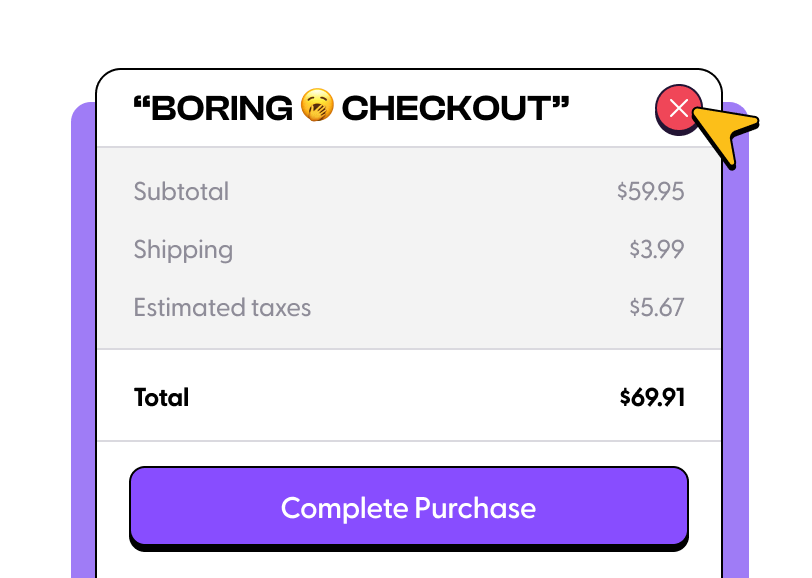
Avoid plugins that require manual configuration for every new stablecoin or blockchain network. The best solutions handle these changes automatically, updating their routing algorithms in real-time. This ensures your checkout remains frictionless even as the crypto landscape shifts.
| Feature | Static Crypto Gateway | AI-Enabled Plugin |
|---|---|---|
| Routing | Fixed to one blockchain | Dynamic based on cost/speed |
| Retry Logic | Manual or none | Automatic smart retries |
| Stablecoin Support | Limited, manual updates | Broad, auto-detected |
| Acceptance Rate | Standard | Optimized via ML |
Start by auditing your current payment stack. If your existing plugin does not offer dynamic routing or AI-driven failure recovery, it is likely time to upgrade. The right plugin will act as an invisible layer that smooths out the rough edges of blockchain payments, allowing you to focus on sales rather than transaction troubleshooting.
Configure dynamic payment routing
Dynamic payment routing uses AI to evaluate real-time signals—such as user location, device type, and historical transaction behavior—to select the most efficient payment method. When implementing AI checkout optimization for stablecoin payments, this mechanism automatically routes transactions through fiat gateways or crypto rails based on which path offers the lowest friction and highest success rate for that specific shopper.
This approach replaces static payment menus with an intelligent selection process. As noted in industry analysis of agentic checkout systems, the AI agent streamlines the experience by automatically selecting the most relevant payment option after product selection, reducing the cognitive load on the user. By letting the algorithm decide between fiat and stablecoin, you remove the guesswork that often leads to cart abandonment.
Step 1: Define routing rules in the plugin dashboard
Begin by accessing your checkout plugin’s configuration settings. Locate the Payment Routing or Smart Checkout module. Here, you will establish the primary logic for how payments are prioritized. Enable the "Dynamic Selection" toggle to allow the system to bypass manual user choice when confidence scores are high. This ensures that the AI can intervene before the user even sees the payment options if it predicts a smoother path exists.
Step 2: Set location-based currency preferences
Configure geolocation rules to prioritize stablecoins for users in regions with high fiat inflation or limited banking access, while defaulting to local fiat currencies for stable economies. Use IP detection to identify the user’s country. If the user is in a region where stablecoin adoption is high and transaction fees for fiat are significant, flag the stablecoin option as the default. This aligns with AI-led optimization strategies that analyze location data to suggest the most suitable payment method.
Step 3: Analyze historical behavior and device signals
Integrate historical transaction data into the routing logic. If a user has previously completed purchases using stablecoins without issues, prioritize that method for subsequent visits. Conversely, if a user’s history shows frequent failed crypto transactions, default to fiat. Additionally, factor in device type; mobile users often benefit from faster, one-click stablecoin payments if their wallet is already integrated, whereas desktop users might prefer traditional credit card flows.
Step 4: Implement fallback mechanisms
Always define a clear fallback path. If the AI cannot confidently determine the best payment method, or if the preferred stablecoin network is congested, the system should automatically revert to the most reliable fiat gateway. This prevents transaction failures. Ensure your plugin allows you to set "confidence thresholds." If the AI’s confidence score for a stablecoin transaction falls below a certain percentage, it defaults to the manual payment selection screen, giving the user control.
Step 5: Test and monitor routing performance
After configuration, run A/B tests to compare conversion rates between static payment menus and your new dynamic routing system. Monitor key metrics such as transaction success rates, average processing time, and customer support tickets related to payment failures. Use this data to refine your AI models. Over time, the system should learn which combinations of location, device, and user history yield the highest conversion for stablecoin payments.
Step 3: Enable predictive abandonment recovery
Implement AI Checkout Optimization for Stablecoin Payments works best as a clear sequence: define the constraint, compare the realistic options, test the tradeoff, and choose the path with the fewest hidden costs. That order keeps the advice usable instead of decorative. After each step, pause long enough to check whether the recommendation still fits the reader's actual situation. If it depends on perfect timing, unusual access, or a best-case budget, include a simpler fallback.


Test and validate conversion metrics
Validation requires treating your AI checkout optimization like a live experiment rather than a static configuration. You need to isolate the impact of algorithmic routing on stablecoin transactions to prove the system is learning correctly. Without this rigorous testing, you cannot distinguish between natural traffic fluctuations and genuine performance gains.
Monitor acceptance and conversion rates
The primary signal of success is the stablecoin acceptance rate. AI engines work by dynamically selecting the best routing path for each transaction based on historical data and real-time network conditions. Track how often a payment succeeds compared to the baseline before implementation. A successful validation shows a measurable lift in the percentage of completed transactions, indicating the AI is effectively navigating blockchain congestion or liquidity issues.
Equally important is the conversion rate at the final payment step. If users drop off after selecting stablecoin payment, the AI might be introducing latency or confusion. Use analytics tools to correlate AI routing decisions with user behavior. If acceptance is high but conversion is low, the issue likely lies in the user interface or transaction speed, not the payment logic itself.
Measure cart abandonment reduction
Cart abandonment is the cost of friction. AI checkout optimization aims to remove that friction by predicting and resolving payment failures before they happen. Compare your abandonment rates during the test period against previous months. A significant drop suggests the AI is successfully pre-validating wallets or suggesting alternative stablecoins when one is under stress.
Establish a baseline and compare
Do not rely on absolute numbers alone. Establish a clear baseline from the 30 days prior to implementation. Run your AI optimization for at least two to four weeks to allow the machine learning model to gather sufficient transaction data. Compare the post-implementation metrics against this baseline to isolate the AI's impact. This controlled comparison provides the concrete proof needed to justify the integration to stakeholders and ensures the system is delivering tangible value.
Common mistakes when deploying AI checkout tools
Even with advanced AI checkout optimization, implementation errors can derail conversion rates and compliance. The most frequent pitfalls involve over-reliance on automation, neglecting user privacy, and failing to keep stablecoin support current.
Ignoring human oversight
AI models can misinterpret edge cases, such as unusual billing addresses or high-risk transaction patterns. Without human review protocols, these errors lead to false declines or fraud approvals. Maintain a manual override queue for transactions exceeding specific risk thresholds or value limits.
Overlooking privacy regulations
AI tools often require extensive user data to function effectively. Failing to anonymize this data or obtain proper consent violates regulations like GDPR or CCPA. Ensure your AI vendor provides transparent data handling policies and complies with financial privacy standards in your target markets.
Neglecting stablecoin updates
The stablecoin landscape evolves rapidly with new protocols, regulatory changes, and network upgrades. Static integrations quickly become obsolete or incompatible. Regularly audit your payment gateway to support emerging stablecoins and adapt to shifting compliance requirements.
Failing to test abandonment triggers
AI-driven personalization must account for real-time user behavior. If the system doesn’t correctly identify abandonment triggers, it may push irrelevant payment options or discount offers, increasing friction rather than reducing it. Continuously A/B test AI recommendations against baseline performance.
Not monitoring model drift
AI models degrade over time as user behavior and market conditions change. Without regular retraining and performance monitoring, the AI checkout optimization becomes less effective. Schedule quarterly reviews of model accuracy and update training data to reflect current transaction patterns.
Frequently asked questions about AI checkout optimization
How do I integrate AI with stablecoin payment gateways?
Integration requires an API-first approach that connects your checkout logic to a stablecoin processor like Stripe or a direct blockchain node. The AI engine sits in the middle, analyzing the transaction in real-time. It assesses risk, predicts abandonment, and dynamically adjusts the payment flow. This setup ensures the AI can intervene only when necessary, keeping the experience fast for low-risk users while adding friction for suspicious ones.
Can AI reduce cart abandonment for crypto transactions?
Yes. AI checkout optimization reduces friction by predicting when a user is about to drop off. It can trigger dynamic trust signals, such as displaying security badges or offering alternative payment methods, at the precise moment of hesitation. By analyzing behavioral data, the system personalizes the checkout path, making it feel less like a complex crypto transaction and more like a standard e-commerce purchase.
What is the ROI of implementing AI in crypto checkout?
The return on investment comes from two sources: increased conversion rates and lower fraud losses. AI models learn from billions of transactions to maximize acceptance rates while minimizing false declines. For stablecoin merchants, this means fewer lost sales due to overly aggressive fraud filters and reduced chargeback risks. The initial setup cost is typically offset within months by the recovered revenue from previously abandoned carts.
Is AI optimization safe for decentralized wallets?
Safety depends on how the AI interacts with the wallet. The AI should never hold private keys or sign transactions. Instead, it acts as an advisory layer, analyzing the user’s intent and the network conditions before the signature is requested. This non-custodial approach maintains the security benefits of self-custody while adding a layer of intelligent guidance to prevent user error or phishing attacks.
No comments yet. Be the first to share your thoughts!