
Stable checkout plugins limits to account for
As 2026 privacy regulations tighten, the "stable checkout plugin" is no longer just a convenience—it is a compliance baseline. A stable plugin must handle data minimization natively, meaning it collects only what is strictly necessary for the transaction and discards the rest. If a plugin forces unnecessary form fields or stores customer data indefinitely, it becomes a liability under GDPR, CCPA, and similar frameworks.
When selecting a plugin, prioritize those that offer granular control over data retention. Look for features like automatic deletion of cart data after a set period, secure handling of shipping addresses, and clear consent mechanisms for marketing communications. Plugins that integrate seamlessly with major e-commerce platforms like WooCommerce often have better track records for updates, but you must verify their specific privacy settings.
Testing is non-negotiable. Before committing, audit the plugin’s data flow. Does it send customer info to third-party analytics by default? Can you disable non-essential cookies? A stable plugin should make it easy to comply, not harder. Avoid plugins that are vague about their data practices or lack transparent privacy policies. Your checkout should be a secure endpoint, not a leaky pipe.
Stable checkout plugins choices that change the plan
Choosing a checkout plugin is rarely about finding the single "best" tool. It is about matching specific compliance needs with technical constraints. For 2026 data privacy laws, stability means more than uptime; it means predictable data handling and seamless compatibility with evolving platform standards.
The primary tradeoff lies between flexibility and maintenance burden. Highly customizable plugins allow you to capture exact consent data required by GDPR or CCPA, but they often introduce complex code paths that can break during WordPress or WooCommerce updates. Lightweight, standard-compliant plugins reduce this risk but may lack the granular controls needed for nuanced regional compliance.
Consider how each option handles data storage. Some plugins store field data in the main wp_postmeta table, which can bloat your database and complicate data deletion requests. Others use separate tables or external APIs, which may improve performance but require additional security audits. Evaluate whether the plugin’s architecture supports easy data export and erasure, a core requirement for modern privacy laws.
| Feature | High Flexibility Plugin | Standard Compliance Plugin |
|---|---|---|
| Custom Fields | Extensive (unlimited) | Limited (core fields only) |
| Update Frequency | High (weekly/monthly) | Low (quarterly/annual) |
| Data Storage | Complex (custom tables) | Simple (standard WP tables) |
| Maintenance Risk | High (breaking changes) | Low (stable API) |
| GDPR/CCPA Tools | Manual configuration | Built-in defaults |
The table above illustrates the core tension. If your business operates in multiple jurisdictions with different data collection rules, the flexibility of a plugin like Checkout Field Editor may be necessary. However, this comes with the cost of regular testing after every platform update. Conversely, a standard plugin reduces technical debt but may require workarounds to meet strict consent requirements, potentially leading to non-compliance if not configured carefully.
Another critical factor is editor compatibility. With the shift toward WooCommerce Block themes, many older checkout plugins are incompatible or require significant patches. Ensure your chosen plugin supports both Classic and Block checkout modes. A plugin that works only in one environment creates a fragmented user experience and increases the risk of data inconsistencies across different storefront templates.
Finally, consider the vendor’s response time to security vulnerabilities. In 2026, data breaches are not just a technical issue but a legal liability. Check the plugin’s changelog and support forum. Are security patches released promptly? Is the codebase open to community audit? Plugins with transparent, active development histories are generally safer bets for handling sensitive customer data.
Choose the right checkout plugin for compliance
Selecting a checkout plugin is no longer just about conversion rates. With data privacy laws tightening in 2026, your plugin must handle data minimization, explicit consent, and secure storage out of the box. Using a plugin that lacks these features forces you to build custom compliance layers, which increases the risk of errors and audits.
The goal is to find a tool that aligns with your platform while meeting regulatory standards. Below are three practical paths for WooCommerce stores, based on recent compatibility testing and community feedback.
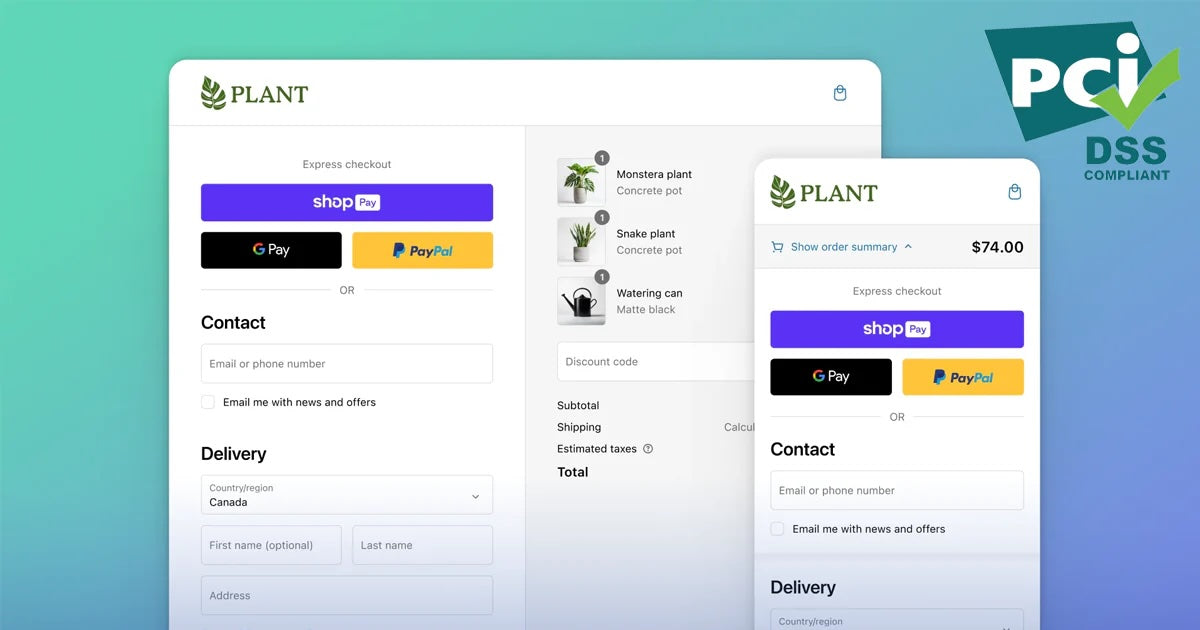
Modern checkouts are moving toward block-based editors. Ensure your chosen plugin works seamlessly with both Classic and Block checkout templates. This flexibility allows you to remove unnecessary fields, reducing the amount of personal data you collect and store. Fewer fields mean less liability.
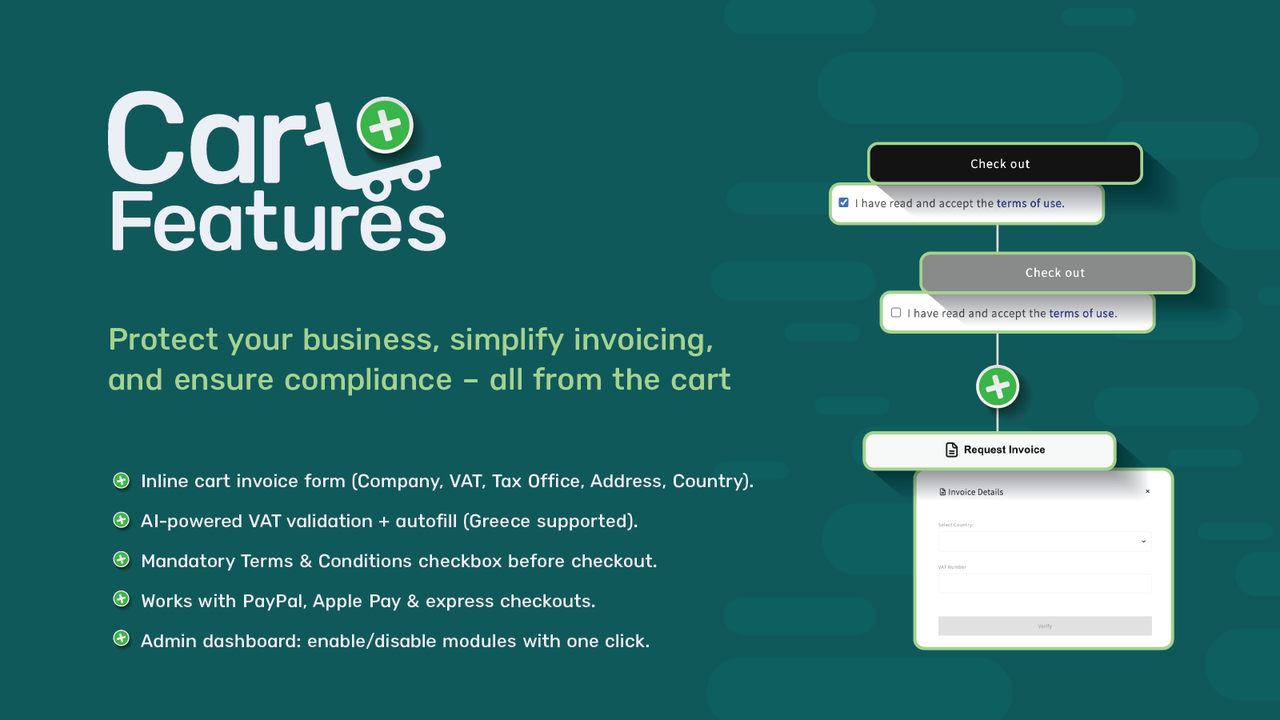
Look for built-in tools for managing customer consent. The plugin should allow you to easily add privacy policy checkboxes and handle data deletion requests. If these features are missing, you will need to integrate third-party compliance tools, which can slow down the checkout process.
For stores with delivery services, plugins like Kikote offer powerful location selection. This helps ensure accurate tax calculation and shipping compliance. However, always review how these location data points are stored and whether they require additional privacy disclosures.
Watch out for weak options and misleading claims
Even established plugins can falter under 2026’s stricter data privacy rules. Some vendors promise “compliance-ready” features but only offer basic UI changes, leaving your backend exposed. When evaluating checkout extensions, check if they actually minimize data collection or just mask it.
Field customization is a common trap. Plugins that allow excessive custom fields often force you to store unnecessary PII, violating the principle of data minimization. Always audit these fields against your actual business needs. If a plugin doesn’t clearly show where data is stored or how long it’s retained, treat it as a risk.
Editor usability matters too. Block checkout compatibility is no longer optional. If a plugin still relies on deprecated hooks or forces Classic checkout, it will likely break or fail security audits. Test the plugin in a staging environment before going live to ensure it handles modern checkout flows without leaking data.
Stable checkout plugins: what to check next
Choosing a stable checkout plugin requires balancing compliance needs with performance. The following answers address common concerns for store owners navigating 2026 data privacy laws.
Do checkout plugins slow down my site?
Every additional plugin adds HTTP requests and JavaScript execution time. A bloated checkout page directly increases bounce rates. Choose plugins that are lightweight and specifically optimized for modern block-based editors. Test your checkout speed with tools like Google PageSpeed Insights after installation.
Are these plugins GDPR and CCPA compliant?
Most reputable plugins offer built-in tools for data consent, such as checkboxes for privacy policies and data retention settings. However, compliance is not automatic. You must configure the plugin to align with your jurisdiction’s laws. For example, ensure that customer data fields are clearly labeled and that consent is recorded securely.
Can I customize checkout fields without breaking compliance?
Customizing fields allows you to collect only necessary data, which supports data minimization principles. Plugins like Checkout Field Editor let you hide unnecessary fields. Avoid collecting sensitive data like full credit card numbers; use payment gateways like Stripe to handle that information securely instead.
What happens if a plugin conflicts with my theme?
Conflicts often arise when plugins use outdated code that clashes with newer WordPress versions. Check the plugin’s last update date and read recent reviews for stability reports. Official sources like WooCommerce maintain compatibility lists that can help you avoid known issues.
No comments yet. Be the first to share your thoughts!