
Stable checkout plugins 2026 budget
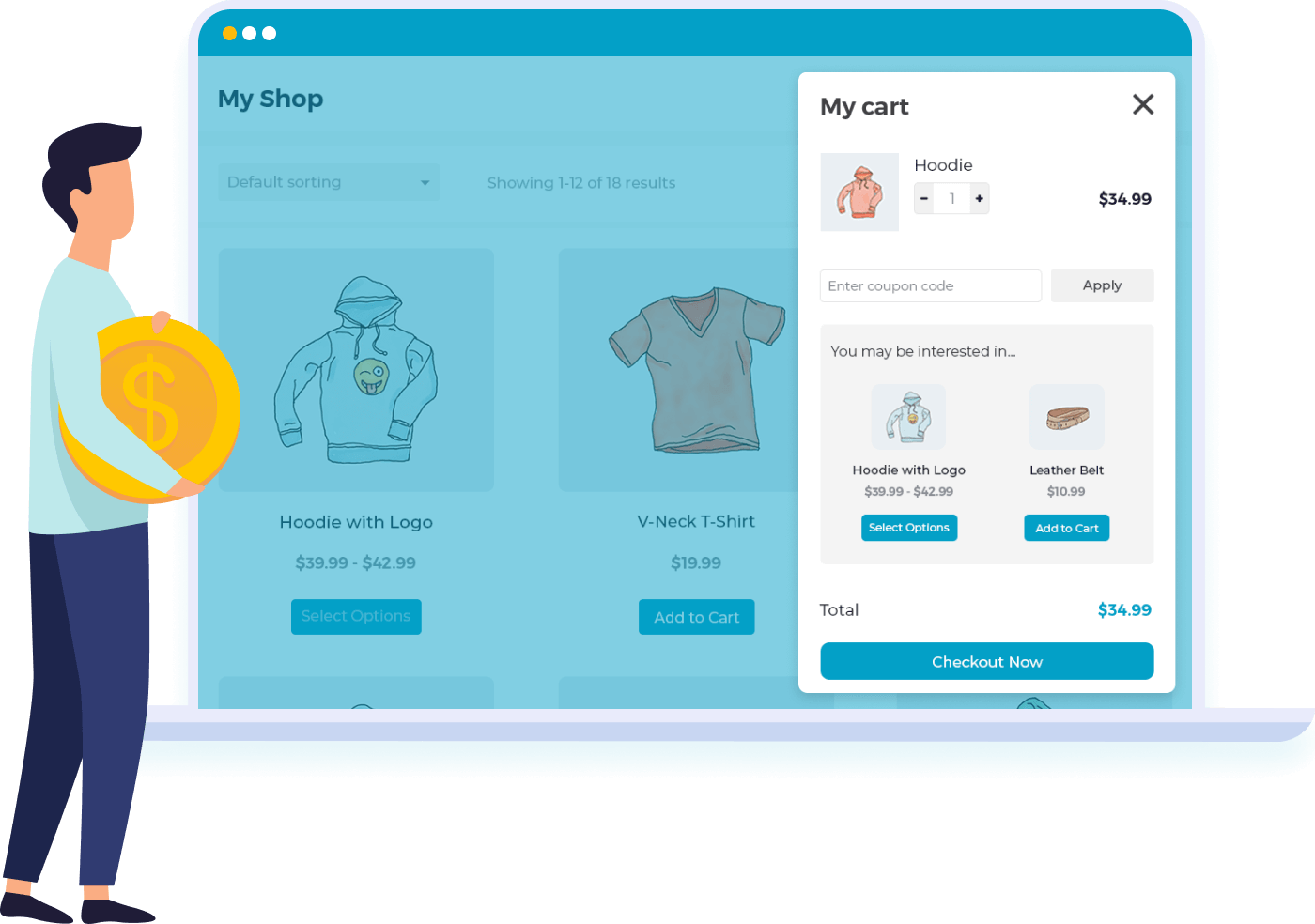
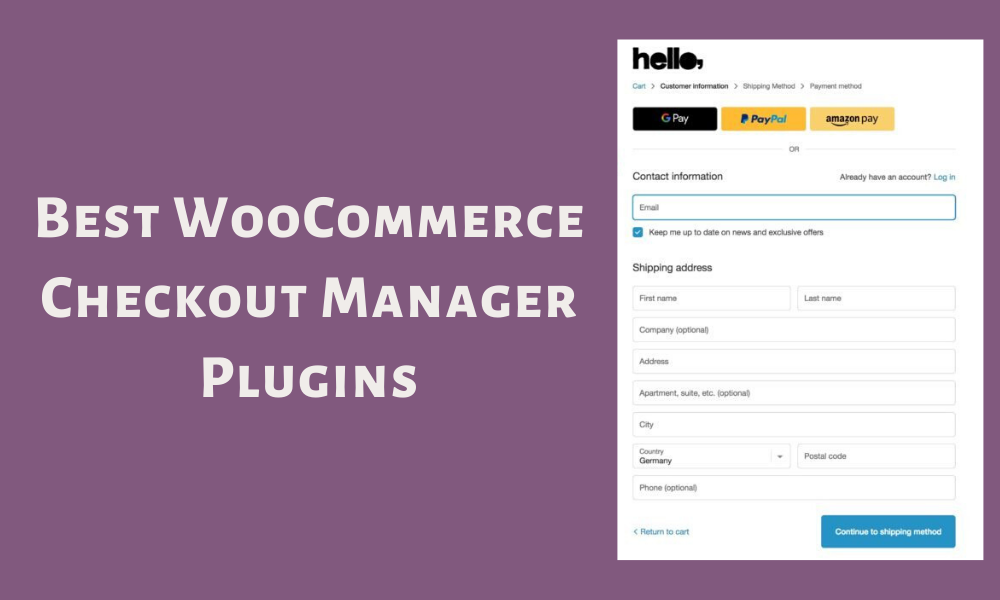
Choosing a checkout plugin involves balancing cost against performance. The market offers two distinct tiers: free, open-source tools and premium solutions with dedicated support. For small stores, free plugins like the WooCommerce Fast Cart provide a functional baseline. These tools often rely on community forums for troubleshooting, which can slow down issue resolution.
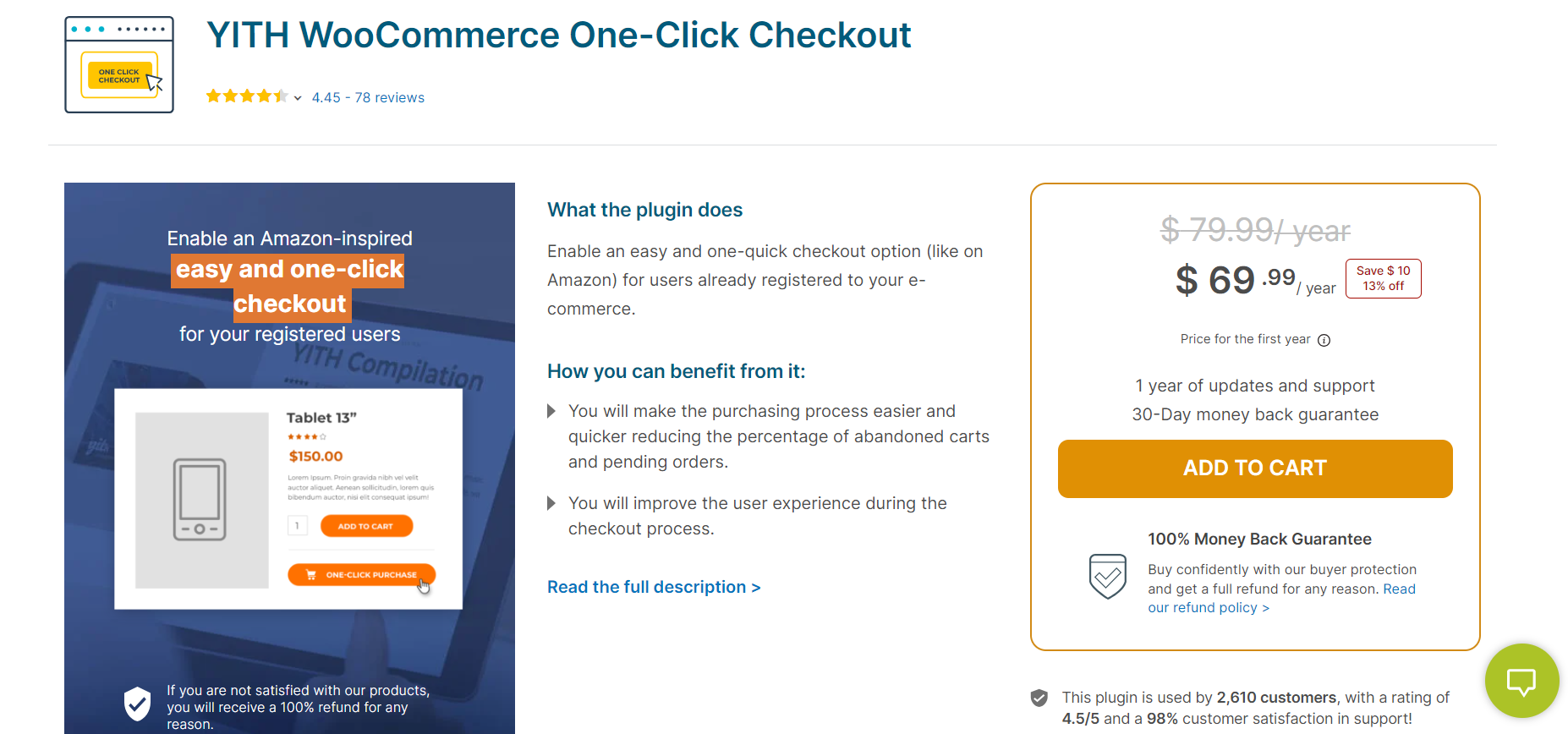
Premium plugins justify their price through reliability and speed. Paid options typically include priority support, regular security updates, and advanced customization features. The tradeoff is clear: you pay for stability and faster load times, which directly correlate with higher conversion rates. For high-volume stores, this investment often pays for itself by reducing cart abandonment.
When evaluating options, look beyond the initial license fee. Consider the total cost of ownership, including potential developer time for setup and maintenance. A cheaper plugin that requires extensive customization can end up costing more in labor than a premium, out-of-the-box solution.
As an Amazon Associate, we may earn from qualifying purchases.
Shortlist real options
Choosing the right checkout plugin requires looking past marketing claims and focusing on actual performance metrics. The 2026 landscape favors solutions that reduce friction without breaking site speed or data security. Below is a comparison of the most reliable options for streamlining the final purchase step.
The table below compares the core capabilities of the strongest stable checkout plugins for 2026. These options are selected based on their ability to handle high-volume transactions and integrate smoothly with existing e-commerce platforms.
| Plugin | Speed Impact | Key Features | Platform |
|---|---|---|---|
| WooCommerce Fast Cart | High | Popup cart, one-click add | WooCommerce |
| CheckoutWC | Medium | Conditional logic, smooth UI | WooCommerce |
| Krepling Pay | High | Direct checkout, payment gateway | Multi-platform |
| ThemeHigh | Low | Basic field customization | WooCommerce |
Each option serves a different operational need. WooCommerce Fast Cart, for instance, excels at reducing clicks by introducing a popup cart experience, which can significantly speed up the browsing-to-checkout transition. However, this approach may not suit stores that rely on a traditional, linear checkout flow.
CheckoutWC offers a more robust upgrade for those needing complex conditional logic. It provides a smoother user interface compared to older solutions like ThemeHigh, making it ideal for stores with varied product configurations. While it may not match the raw speed of a popup cart, its stability and feature depth make it a strong contender for complex catalogs.
For merchants looking for a platform-agnostic solution, Krepling Pay offers direct checkout capabilities that bypass traditional cart pages entirely. This approach minimizes the steps a customer must take, directly addressing cart abandonment at the point of decision. The trade-off is a more significant integration effort, but the conversion lift can be substantial for high-intent traffic.
As an Amazon Associate, we may earn from qualifying purchases.
When selecting a plugin, prioritize compatibility with your current theme and payment gateways. A fast checkout is useless if it conflicts with your existing infrastructure. Always test the plugin in a staging environment to ensure it handles edge cases, such as out-of-stock items or multiple shipping addresses, without crashing the checkout process.
Inspect the expensive parts
Most cart abandonment happens because the checkout feels like a commitment trap. Before you install a new plugin, audit where the friction actually lives. If your current setup requires too many clicks or feels insecure, customers will leave. Use this checklist to find the expensive failure points.
Every extra field or page load increases drop-off. Count the clicks from cart to confirmation. If it takes more than three steps, you are losing sales. Look for plugins that support one-page checkouts or popup carts to compress this journey.
More than half of your traffic likely comes from phones. A plugin that looks good on desktop but breaks on mobile is costing you revenue. Test your checkout on a real device. Ensure buttons are thumb-friendly and forms do not require horizontal scrolling.
Shoppers need to feel safe entering payment details. Check for visible security badges, clear return policies, and recognized payment icons. If these are missing or hard to find, install a plugin that displays them prominently near the "Pay" button.
Forcing account creation is a major friction point. Ensure your plugin allows guest checkout. If you want to encourage sign-ups, offer it as an optional step after payment, not before.

Typos happen. If your checkout gives a vague error message like "Invalid Input," users will give up. Look for plugins that provide clear, specific feedback. They should highlight exactly which field needs correction and why.
KeyTakeaways items=["Reduce clicks to under three", "Test on real mobile devices", "Display trust signals clearly", "Allow guest checkout", "Use specific error messages"]
Plan for ownership costs
A checkout plugin’s initial price is rarely its only cost. Most projects run into hidden expenses: premium support fees, mandatory add-ons for tax or shipping logic, and the developer hours required to keep the plugin compatible with WordPress and WooCommerce updates. When you calculate the total cost of ownership, these maintenance surprises often outweigh the license fee.
A cheap plugin stops being cheap the moment it breaks your checkout flow. If a free or low-cost plugin lacks native support for your specific payment gateway or tax region, you will likely need to hire a developer to write custom code or purchase expensive third-party integrations. That development time can cost hundreds of dollars per hour, quickly eclipsing the savings of a cheaper initial license.
Before committing to a plugin, check the vendor’s roadmap and support channels. Official sources and primary documentation often list which features are included in the base version versus the premium tier. If a plugin requires a separate paid extension for basic functionality like coupon codes or address validation, it may be more expensive to maintain than a slightly higher-priced all-in-one solution.
As an Amazon Associate, we may earn from qualifying purchases.
Stable checkout plugins 2026: what to check next
Choosing the right checkout plugin requires balancing speed with functionality. Below are answers to the most common practical objections readers have before making a decision.
No comments yet. Be the first to share your thoughts!