
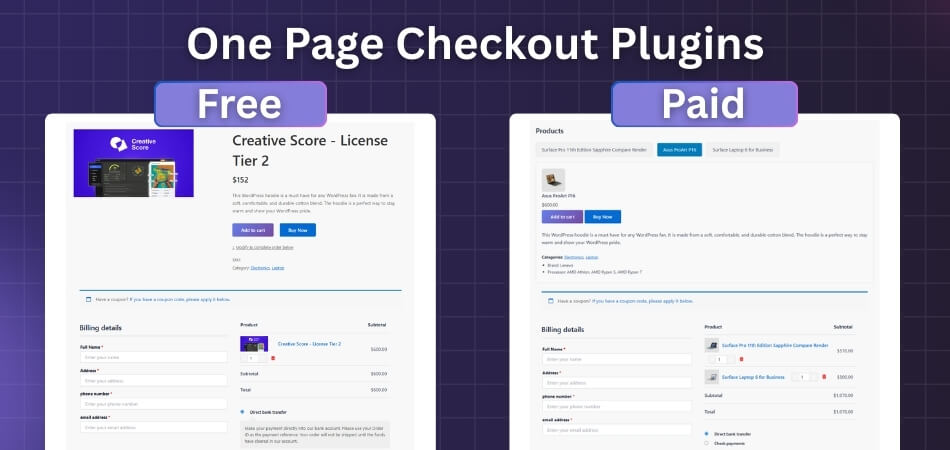
Stable checkout plugins 2026 budget
Choosing a checkout plugin requires balancing cost against the specific friction points of your store. A $50 plugin might solve a complex tax issue, while a $200 annual license could be overkill for a simple dropshipping setup. The goal is to find a tool that reduces cart abandonment without inflating your overhead.
For most WooCommerce stores, the best value comes from plugins that combine speed with essential features like one-click checkout and guest checkout options. These tools often pay for themselves within the first month by recovering lost sales from slow page loads or confusing forms.
When evaluating options, look for transparent pricing models. Avoid plugins that charge per transaction or have hidden fees for updates. A flat annual fee provides predictable costs and ensures you can plan your budget for the long term. Focus on plugins that offer a free tier or a generous trial period so you can test performance before committing.
As an Amazon Associate, we may earn from qualifying purchases.
Shortlist real options
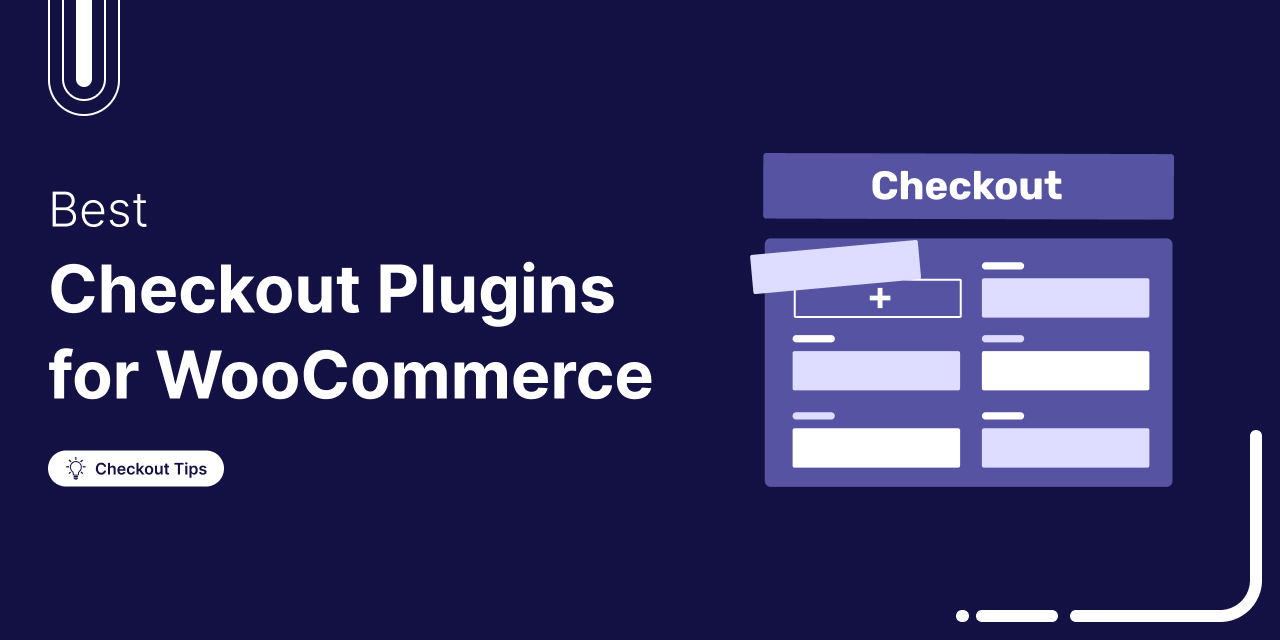
Choosing the right checkout plugin depends on your specific friction points. Some plugins excel at speed, while others focus on reducing form fields or improving mobile usability. Below is a comparison of the strongest stable checkout plugins for 2026, based on conversion features, speed, and ease of use.
| Plugin | Best For | Key Feature | Price |
|---|---|---|---|
| Direct Checkout for WooCommerce | One-click purchases | Bypasses cart for immediate checkout | Free/Pro |
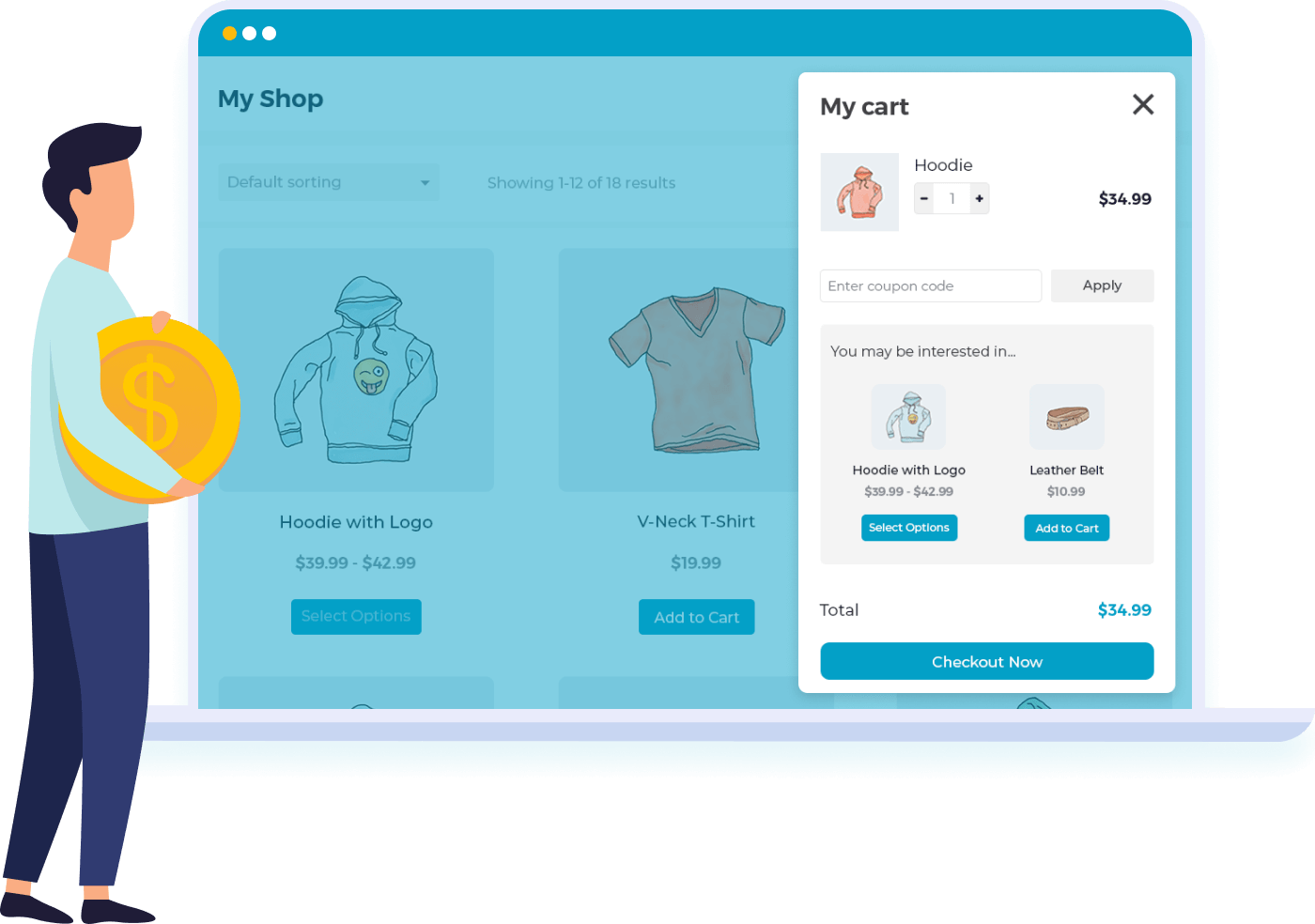
| WooCommerce Fast Cart | Speed and mobile | Pop-up cart and streamlined checkout | Free/Pro |
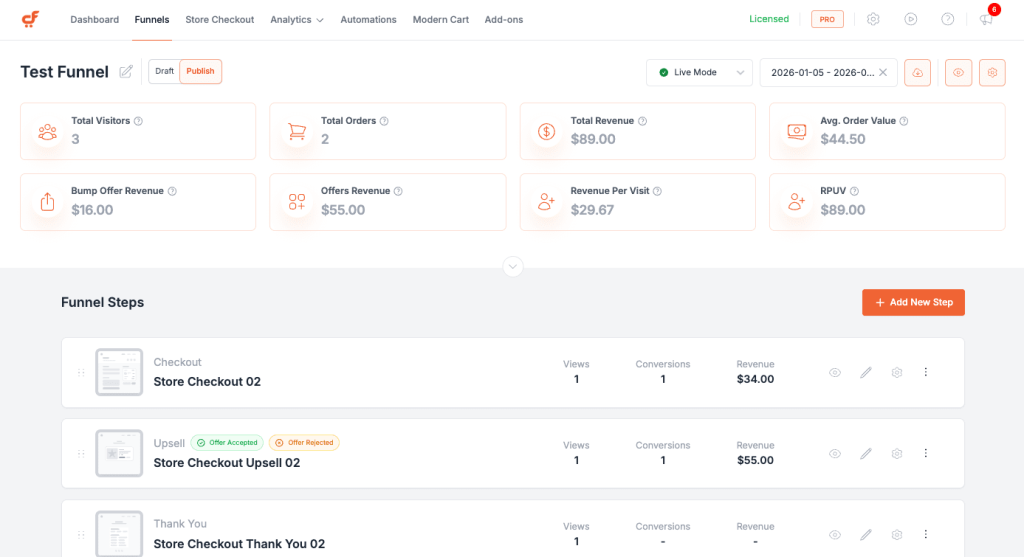
| CartFlows | Funnels and upsells | Visual funnel builder with checkout steps | Free/Pro |
| One Page Checkout | Simplicity | All checkout fields on a single page | Free/Pro |
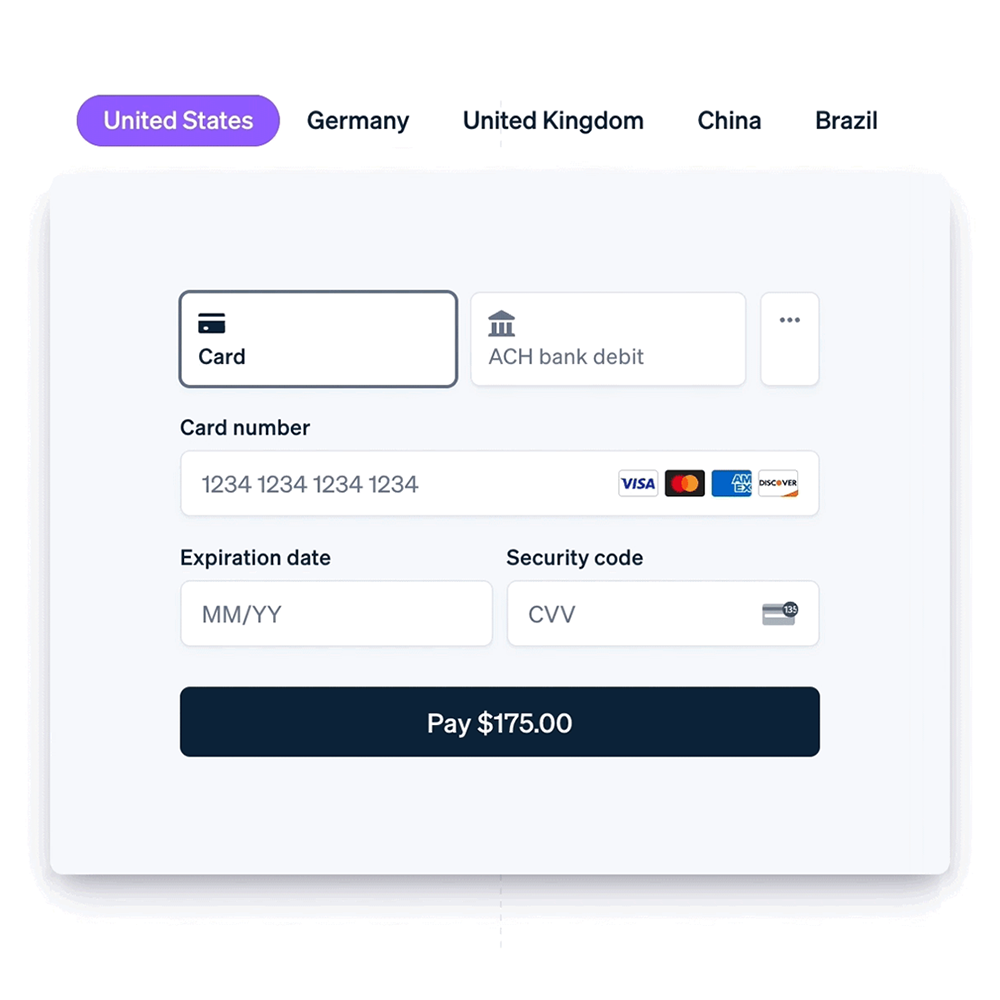
| WooCommerce Stripe Gateway | Payment flexibility | Seamless Stripe integration with saved cards | Free |
Each option serves a different strategic purpose. Direct Checkout is ideal if you want to eliminate the cart step entirely. Fast Cart improves the experience by keeping the user on the same page. CartFlows is better for complex sales funnels that require upsells. One Page Checkout simplifies the form layout. Stripe Gateway handles payment processing efficiently.
As an Amazon Associate, we may earn from qualifying purchases.
When selecting a plugin, consider your current checkout bottlenecks. If your cart abandonment is high, try a one-page solution. If mobile users drop off, test a fast cart. Always test plugins in a staging environment before going live. This ensures stability and prevents unexpected conflicts with your theme or other plugins.
Inspect the expensive parts
Use this section to make the Stable Checkout Plugins decision easier to compare in real life, not just on paper. Start with the reader's actual constraint, then separate must-have requirements from details that are merely nice to have. A practical choice should survive normal use, maintenance, timing, and budget. If a recommendation only works in an ideal situation, call that out plainly and give the reader a fallback path.
-
Verify the basicsConfirm the core specs, condition, and fit before comparing extras.
-
Price the downsideLook for the repair, maintenance, or replacement cost that would change the decision.
-
Compare alternativesCheck at least two comparable options before treating one listing as the benchmark.
Plan for ownership costs
The sticker price of a checkout plugin is only the first line item. Beyond the initial license or subscription, you need to account for the ongoing operational costs that often get overlooked during the selection phase. This includes developer hours for integration, monthly fees for third-party payment gateways, and the hidden cost of maintenance when updates break compatibility.
Maintenance is where "cheap" plugins often become expensive. Free or low-cost solutions frequently require manual patching after WordPress or WooCommerce core updates. If your team spends hours every quarter fixing checkout errors or debugging conflicts with other plugins, those labor costs add up quickly. A more robust, paid solution often includes dedicated support and automated compatibility testing, reducing the need for internal engineering time.
Consider the total cost of ownership over 12 to 24 months. A $200 plugin that saves your team 10 hours of maintenance per year is likely cheaper than a $50 plugin that requires constant attention. Evaluate whether the plugin’s update frequency and support reputation align with your resource capacity. If you lack dedicated developers, investing in a solution with strong, proactive support can prevent costly downtime and conversion losses.
As an Amazon Associate, we may earn from qualifying purchases.
Stable checkout plugins 2026: what to check next
Choosing the right checkout extension often comes down to balancing speed with specific store needs. Here are the most common practical questions about reducing payment friction in 2026.
If you are still unsure, start with a free version of a top-rated plugin to test its impact on your specific theme. Most stable checkout solutions offer a trial period or a money-back guarantee, allowing you to verify speed improvements before committing to a paid license.
No comments yet. Be the first to share your thoughts!