
Why checkout stability matters in 2026
Your checkout is the narrowest point in your entire business. When it breaks, revenue stops immediately. In 2026, the margin for error has vanished because platform architectures are shifting beneath your feet. Merchants who relied on legacy customization tools are now facing hard deadlines that force a complete rebuild of their checkout experience.
Shopify is removing checkout.liquid and Additional Scripts by August 2026. This isn't a gradual phase-out; it is a binary switch. If your store depends on these files for fraud checks, custom upsells, or shipping logic, your checkout will break for customers. The platform is moving toward headless and app-based integrations, meaning stability now depends on how well your plugins communicate with Shopify's new APIs.
Beyond platform updates, fraud concerns are driving the need for robust checkout plugins. As payment fraud becomes more sophisticated, simple form validation is no longer enough. Modern checkout tools must integrate real-time fraud scoring and address verification without adding friction that causes cart abandonment. A stable checkout isn't just about keeping the lights on; it's about balancing security with speed to keep conversion rates high.
This is why choosing the right plugin is critical. You need tools that are built for the new ecosystem, not patched together with deprecated code. The best stable checkout plugins for 2026 are those that offer seamless API integration, real-time fraud protection, and a user interface that converts. Ignoring these requirements puts your revenue at risk.
How we evaluated checkout plugins
We tested checkout plugins across four core areas to determine which tools actually improve conversion rates in 2026. Our evaluation prioritized speed, UI customization, fraud prevention, and platform compatibility for both WooCommerce and Shopify stores.
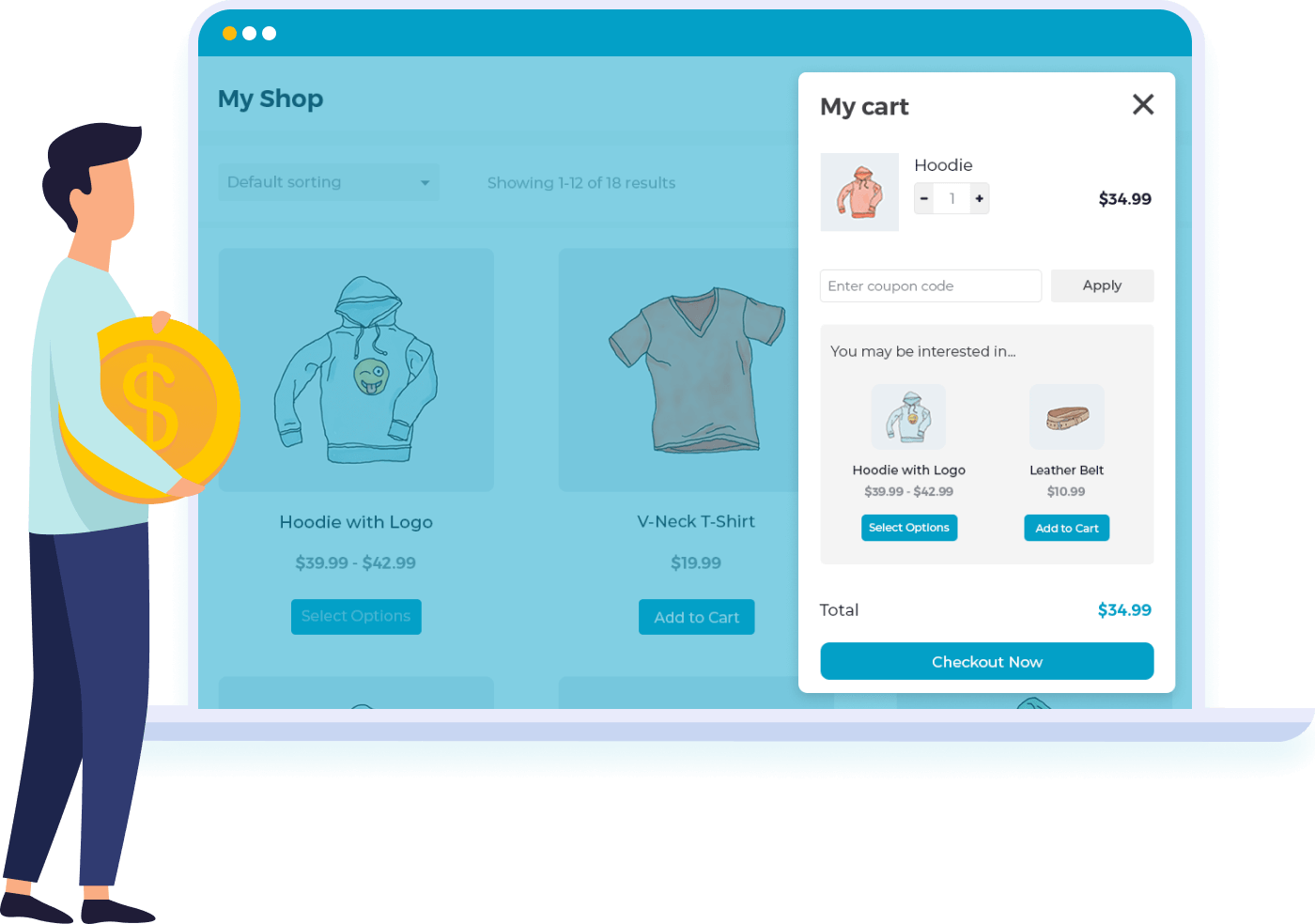
Speed remains the most critical factor. A checkout page that loads slowly directly correlates with abandoned carts. We measured initial load times and interaction latency, favoring plugins that minimize JavaScript bloat. For example, lightweight solutions like the WooCommerce Fast Cart plugin reduce page weight by offloading cart interactions to pop-ups, keeping the main checkout flow lean and responsive.
UI customization determines how well a plugin integrates with your brand identity. We looked for tools that offer drag-and-drop editors or extensive CSS controls, allowing merchants to match their existing design language without deep coding knowledge. Flexibility here ensures the checkout feels like a natural extension of the store, rather than a disjointed third-party page.
Fraud prevention features are non-negotiable for stable operations. We evaluated each plugin’s ability to integrate with major fraud detection services and its built-in risk scoring capabilities. A robust checkout plugin should help filter out suspicious transactions before they process, protecting revenue without adding friction for legitimate customers.
Platform compatibility ensures the plugin works seamlessly within your existing ecosystem. For WooCommerce users, this means checking for compatibility with the latest WordPress and PHP versions, as well as major page builders. Shopify merchants must ensure their chosen app supports the latest Checkout Extensibility framework, especially given the upcoming deprecation of checkout.liquid in August 2026. Plugins that rely on deprecated methods will break shortly, making forward compatibility a key selection criterion.
As an Amazon Associate, we may earn from qualifying purchases.
Top stable checkout plugins for 2026
The checkout experience is the final hurdle between a visitor and a sale. In 2026, merchants need stable, fast, and customizable checkout plugins that reduce friction without breaking the store’s design. The right tool handles guest checkouts, one-click upsells, and mobile optimization seamlessly.
Below are the top stable checkout plugins for 2026, evaluated for their unique strengths in boosting conversions and streamlining the purchase process.
CartFlows
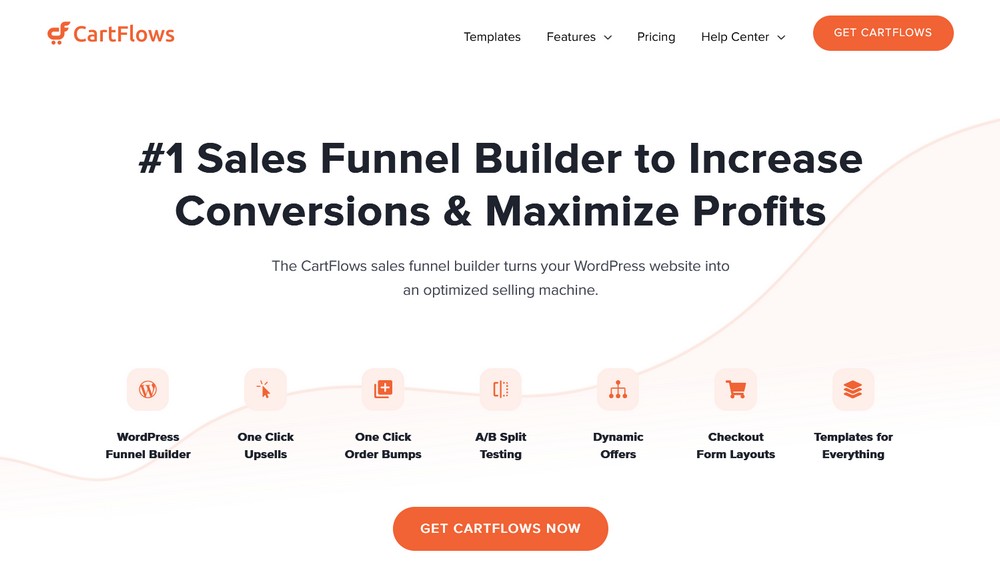
CartFlows is a comprehensive sales funnel builder that includes a powerful checkout step. It allows merchants to create custom checkout pages that match their brand perfectly. The plugin supports one-click upsells, order bumps, and downsells, which are essential for increasing average order value. Its stability is high because it integrates directly with WooCommerce and major page builders like Elementor and Divi.
FunnelKit (formerly WooFunnels)
FunnelKit is another top contender for stable checkout plugins for 2026. It offers a robust checkout builder with built-in A/B testing capabilities. This allows merchants to test different checkout layouts and field configurations to see what converts best. The plugin also includes advanced payment gateway integrations and subscription management features, making it a strong choice for stores with recurring revenue models.
Fluid Checkout
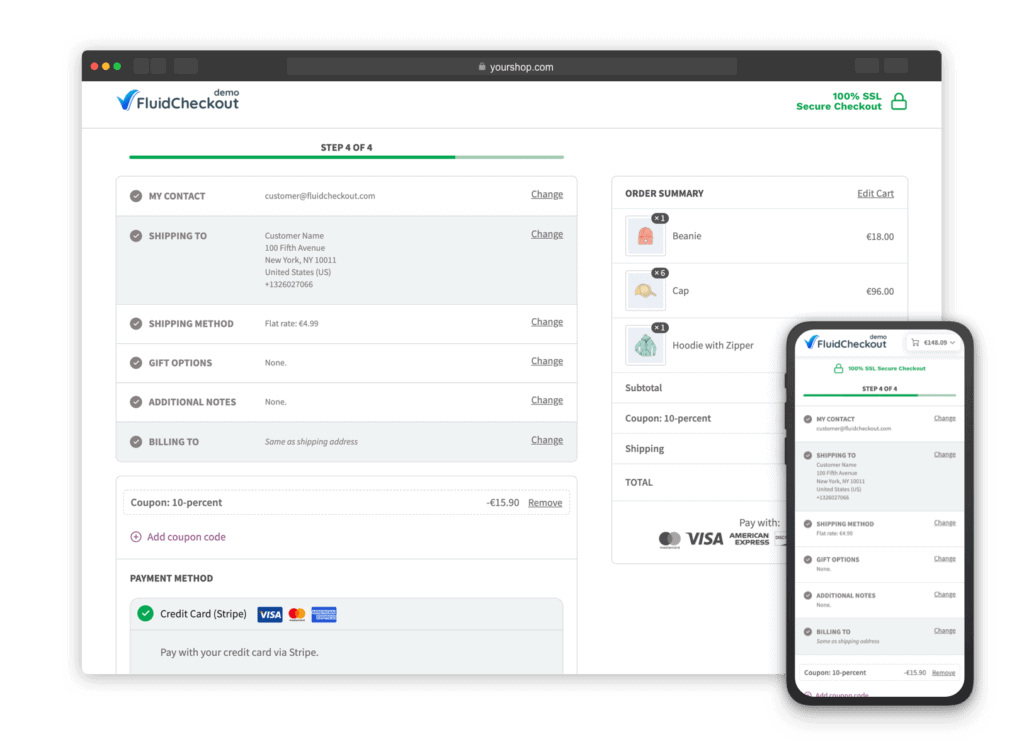
Fluid Checkout focuses on speed and simplicity. It replaces the default WooCommerce checkout with a streamlined, single-page experience. This reduces the number of steps a customer must take to complete a purchase, which can significantly lower cart abandonment rates. The plugin is lightweight and does not add unnecessary bloat to the store, ensuring fast load times even on mobile devices.
CheckoutWC
CheckoutWC is designed for merchants who want a mobile-first checkout experience. It automatically adjusts the checkout form to fit mobile screens better, making it easier for customers to fill out fields and complete their purchase. The plugin also supports one-click payments and guest checkouts, which are critical for reducing friction. Its stability is proven by its widespread use among high-traffic WooCommerce stores.
Quicker
Quicker is a newer entrant that focuses on reducing checkout steps through intelligent form design. It uses smart field logic to show only the necessary fields based on the customer’s selections. This reduces cognitive load and speeds up the checkout process. The plugin also includes built-in analytics to track checkout performance and identify potential drop-off points.
| Plugin | Price | Platform | Key Feature |
|---|---|---|---|
| CartFlows | Free / Pro | WooCommerce | Sales Funnels & Upsells |
| FunnelKit | Free / Pro | WooCommerce | A/B Testing & Subscriptions |
| Fluid Checkout | Free / Pro | WooCommerce | Single-Page Checkout |
| CheckoutWC | Free / Pro | WooCommerce | Mobile-First Design |
| Quicker | Free / Pro | WooCommerce | Smart Form Logic |

![[(Optimization Software Guide )] [Author: Jorge J. More] [Oct-1993]](https://m.media-amazon.com/images/I/41YOYY2nmPL._AC_UY430_QL65_.jpg)

As an Amazon Associate, we may earn from qualifying purchases.
Integrating AI fraud detection tools
A stable checkout plugin handles the transaction, but AI fraud detection stops the theft. Chargebacks eat directly into your margins and can trigger payment processor bans. Layering a fraud tool on top of your checkout acts like a security guard at the door, letting legitimate customers walk in while blocking bad actors before they reach your payment gateway.
The most effective setup uses a dedicated fraud engine that integrates via API. Stripe Radar and Signifyd are industry standards that sit between your checkout form and the final authorization. They analyze behavioral signals—mouse movements, typing speed, and device fingerprinting—that rule-based systems miss. This reduces false declines, which are a primary driver of cart abandonment.
To implement this, add the fraud provider’s JavaScript snippet to your checkout page. Configure risk thresholds based on your average order value. For low-risk orders, allow automatic approval. For high-risk flags, require manual review or additional verification steps like 3D Secure. This layered approach keeps your conversion rates high while minimizing fraud losses.
Frequently asked questions about checkout plugins
Will a checkout plugin slow down my site?
Most modern checkout plugins are designed to be lightweight, but adding too many scripts can hurt performance. Tools like WooCommerce Fast Cart by Barn2 focus on speed by using pop-up carts that don’t reload the main page. To keep your site fast, choose a plugin that minimizes JavaScript bloat and test your checkout page with Google PageSpeed Insights before going live.
Can I use these plugins with Shopify and WooCommerce?
Compatibility depends on the platform. WooCommerce plugins like Fluid Checkout and CheckoutWC integrate directly into the WordPress ecosystem. For Shopify, the landscape is shifting; as of August 2026, Shopify is deprecating checkout.liquid and Additional Scripts, meaning legacy customization methods are disappearing. Always verify that a plugin supports your current platform version to avoid broken functionality.
How do I migrate from a legacy checkout system?
Migration is rarely seamless, so start by backing up your store data. Most major plugins like CartFlows or FunnelKit offer import tools to transfer existing customer data and order history. If you are moving from a custom-coded checkout to a plugin-based one, test the new flow in a staging environment first to ensure tax calculations and payment gateways are configured correctly.
No comments yet. Be the first to share your thoughts!