
Why checkout stability matters in 2026
In 2026, the difference between a profitable store and a bleeding one is often measured in milliseconds and error logs. A checkout plugin that crashes during a traffic spike or fails to load a custom field isn't just a technical nuisance; it is a direct revenue leak. When a customer encounters a broken interface, they do not wait for a fix. They close the tab and leave your store forever.
Prioritizing stability over feature bloat is the most effective way to protect your bottom line. Many developers pack plugins with conditional logic, advanced animations, and third-party integrations that sound impressive in a demo but introduce fragile code paths. When one of those dependencies changes its API or your host server updates its PHP version, those complex features are the first to break. A simpler, more robust plugin that handles the core transaction reliably is worth more than a flashy one that fails under pressure.
This is why we evaluate plugins based on their resilience. We look for solutions like CheckoutWC or FunnelKit that have proven track records of compatibility with both Classic and Block editors without introducing instability. These tools focus on smoothing the user journey rather than adding unnecessary complexity. By choosing a plugin that prioritizes uptime and error reduction, you ensure that your hard-earned traffic converts into actual sales, not abandoned carts and support tickets.
7 Stable Checkout Plugins for Zero-Downtime Conversions in 2026
In 2026, checkout stability isn't a luxury—it's the baseline for protecting revenue. This roundup evaluates seven specific plugins known for minimizing errors and maintaining uptime, prioritizing reliability over flashy features.
-
Fluid Checkout for WooCommerce
Fluid Checkout streamlines the WooCommerce experience by reducing friction at critical conversion points. It replaces the default multi-step process with a single, optimized page that keeps users focused on completing their purchase. This approach minimizes distractions and potential drop-offs, ensuring a smoother path from cart to confirmation. The plugin’s lightweight architecture supports fast load times, which is essential for maintaining high conversion rates on mobile devices without compromising functionality. -

CheckoutWC for Streamlined UX
CheckoutWC transforms the standard checkout flow into a modern, user-friendly interface that prioritizes ease of use. By consolidating fields and simplifying navigation, it reduces cognitive load for shoppers, leading to higher completion rates. The plugin offers extensive customization options, allowing store owners to tailor the experience to their brand without coding. Its robust feature set ensures that essential elements like guest checkout and one-click buy buttons are seamlessly integrated, enhancing overall site performance and customer satisfaction. -

CartFlows for Funnel Stability
CartFlows provides a stable foundation for building complex sales funnels within WordPress, ensuring that every step from lead capture to sale is reliable. Its drag-and-drop builder allows for precise control over checkout pages, upsells, and order bumps, creating a cohesive customer journey. The plugin’s stability is crucial for maintaining uptime during high-traffic events, preventing cart abandonment due to technical glitches. By keeping the funnel structure intact, CartFlows helps businesses maximize revenue through strategic upselling and cross-selling opportunities. -
FunnelKit for Complete Control
FunnelKit (formerly WooFunnels) offers comprehensive control over the entire sales process, from landing pages to post-purchase upsells. It integrates seamlessly with WooCommerce, providing a unified platform for managing all aspects of your e-commerce strategy. The plugin’s stability ensures that complex funnels run smoothly, reducing the risk of errors that could disrupt sales. With advanced tracking and analytics features, store owners can monitor performance in real-time, making data-driven decisions to optimize conversions and improve overall business efficiency. -
One Page Checkout for Simplicity
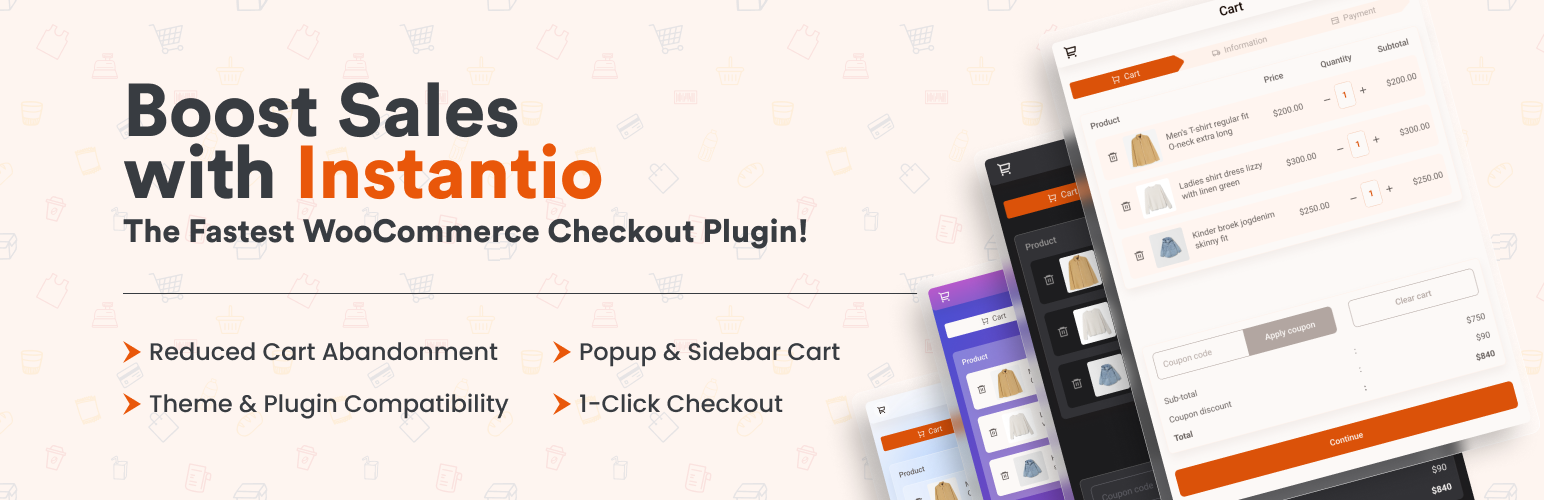
One Page Checkout simplifies the purchasing process by consolidating all necessary steps onto a single, easy-to-navigate page. This approach eliminates the need for users to jump between multiple pages, reducing the likelihood of abandonment. The plugin is designed for speed and reliability, ensuring that transactions are processed quickly and accurately. By focusing on simplicity, it caters to shoppers who prefer a straightforward, no-fuss experience, thereby enhancing customer satisfaction and boosting conversion rates for WooCommerce stores. -
Stripe Gateway for Payment Reliability
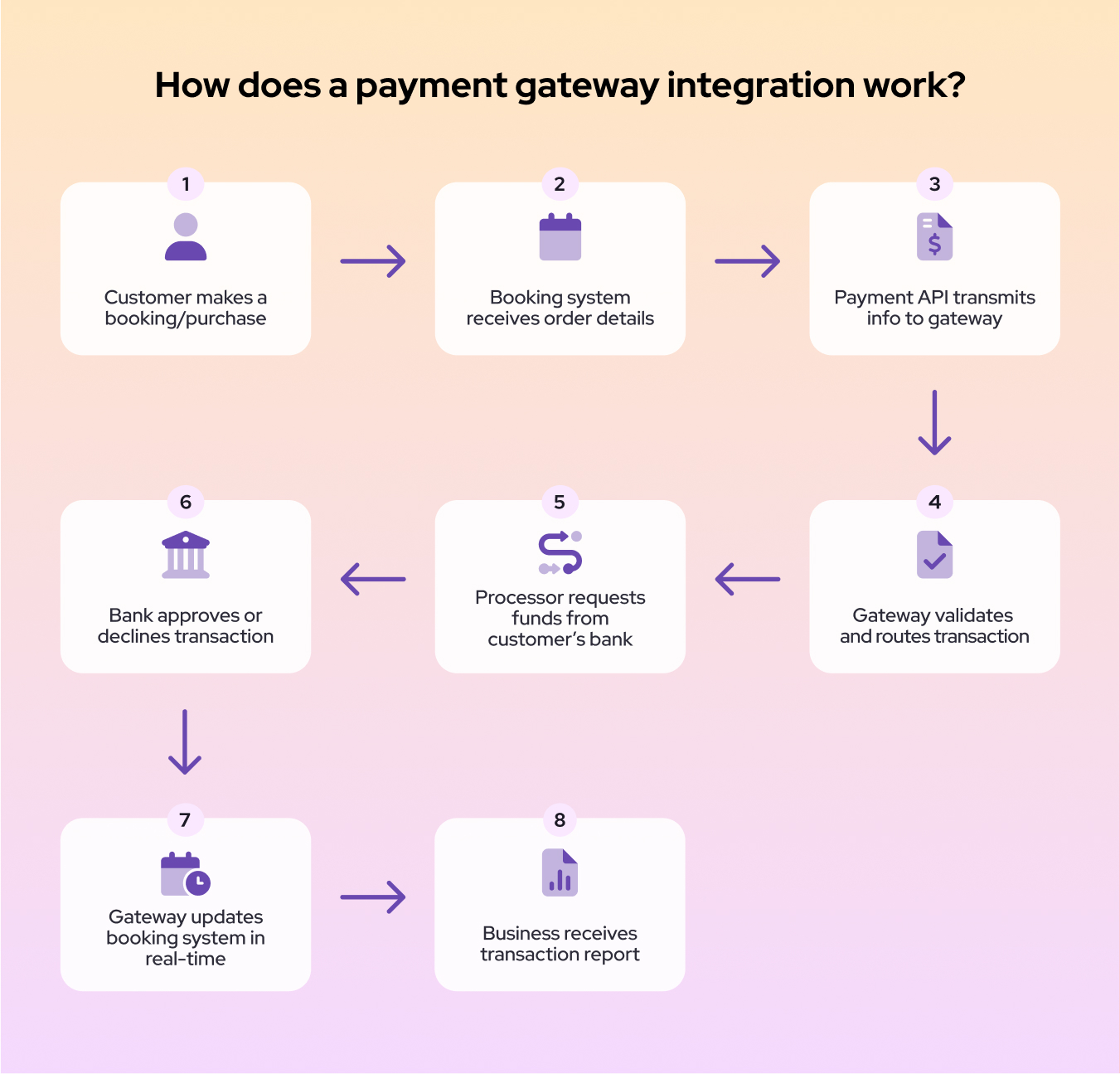
Stripe Gateway ensures your checkout survives traffic spikes by offloading transaction processing to robust external servers. This separation prevents database locks that typically crash WooCommerce stores during high-volume sales events. By handling payment validation externally, the plugin keeps your site responsive and available for conversions. It is a foundational choice for merchants prioritizing uptime over local processing overhead. -
Checkout Field Editor for Customization
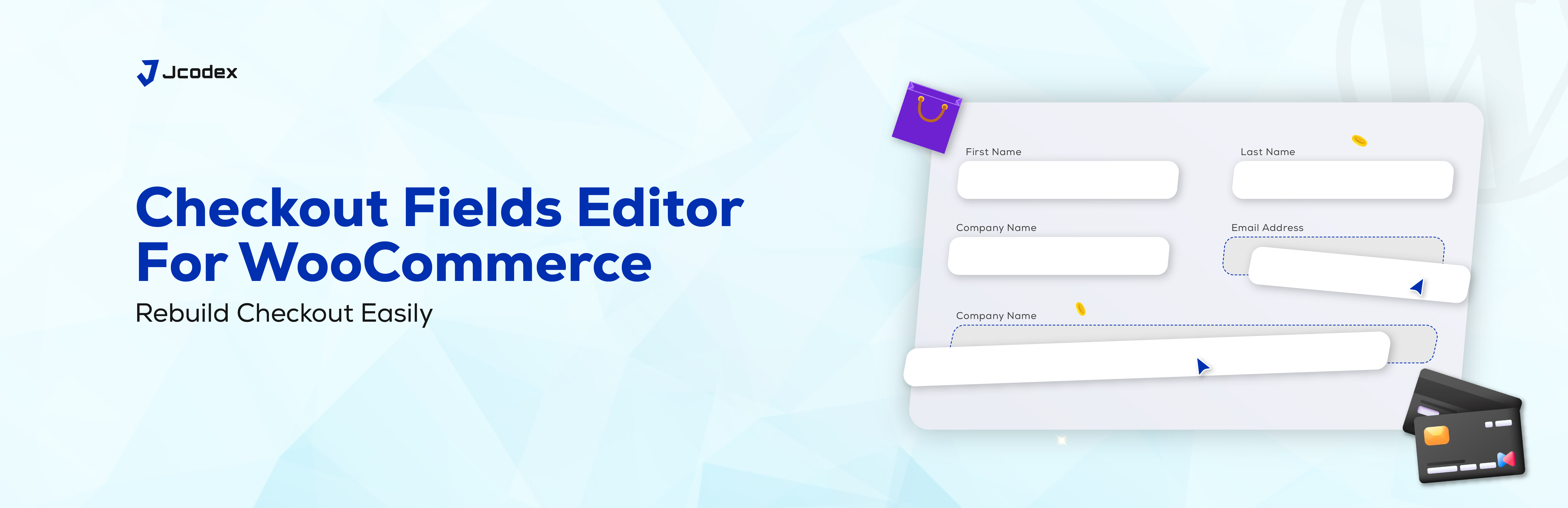
Reducing friction starts with removing irrelevant form fields that cause cart abandonment. This plugin lets you hide unnecessary inputs like company names or second address lines, streamlining the path to purchase. A cleaner form decreases cognitive load and speeds up completion times. By tailoring the checkout experience to your specific product needs, you minimize user confusion and maximize conversion rates without adding complex development overhead.
How we tested checkout reliability
We evaluated these plugins against three hard metrics: error rates, load time impact, and compatibility with major themes. A checkout plugin is only as good as its uptime. If a plugin crashes during a sale or slows down the page, you lose revenue immediately. We prioritized stability over flashy features.
First, we checked error rates. We looked for plugins that handle edge cases—like failed payment gateways or inventory mismatches—without breaking the checkout flow. A stable plugin logs errors silently or guides the user back to a working state. It does not return a white screen or a generic 500 error.
Second, we measured load time impact. Every script a plugin loads adds weight to your page. We tested each plugin on a standard WordPress installation with a popular theme like Storefront or Astra. We used tools like PageSpeed Insights to see how much the plugin slowed down the initial render. Plugins that defer non-essential scripts performed better.
Third, we verified theme compatibility. WooCommerce supports both the Classic Editor and the new Block Editor (Gutenberg). We tested each plugin on both environments to ensure the checkout form renders correctly. We also checked compatibility with popular page builders like Elementor and Divi. A plugin that breaks on a specific theme is not worth the risk. We focused on plugins that work out of the box, without requiring custom code or complex workarounds.
This approach ensures that the plugins we recommend are not just feature-rich, but also reliable. In 2026, stability is the most important feature a checkout plugin can offer.
Compare top stable checkout options
Choosing the right checkout plugin comes down to balancing stability with feature needs. The following table compares seven reliable WooCommerce checkout solutions based on uptime performance, pricing models, and core capabilities. Use this to identify which tool fits your store's infrastructure without introducing unnecessary risk or downtime.
| Plugin | Price | Best For | Stability |
|---|---|---|---|
| FunnelKit Funnel Builder | Free / $199+ | Full funnel optimization | High |
| CartFlows | Free / $299+ | Sales step sequences | High |
| CheckoutWC | Free / $99+ | Modern UX upgrades | High |
| Krepling Pay | Transaction fees | White-label checkout | High |
| Checkout Field Editor | Free / $49+ | Custom field management | Medium |
| Direct Checkout | Free / $39+ | Simplified one-page checkouts | Medium |
| AIO Checkout | Free / $59+ | All-in-one customization | Medium |
Each option serves a different operational need. FunnelKit and CartFlows offer robust infrastructure for complex sales funnels, while CheckoutWC provides a smoother, more modern interface for standard stores. Lightweight options like Direct Checkout are suitable for stores that need minimal overhead and maximum speed.

As an Amazon Associate, we may earn from qualifying purchases.
No comments yet. Be the first to share your thoughts!